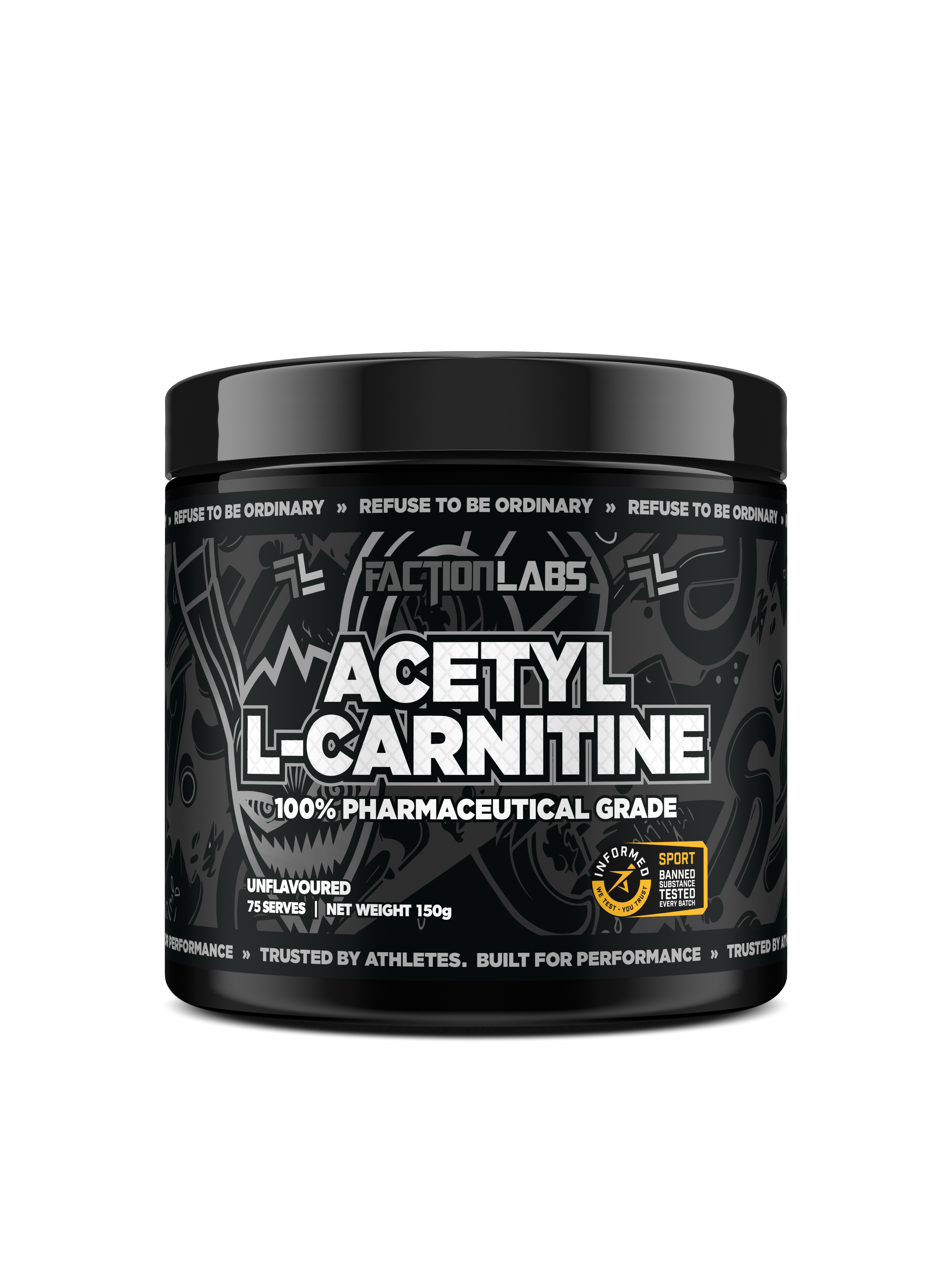
Evidence: A 2021 review suggested L carnitine may aid in exercise recovery, muscle oxygen supply, and endurance
Trypanothione reductase (TR) and the corresponding host enzyme, human red blood cell glutathione reductase (GR), belong to the same flavoprotein family
The encouraging results demonstrate that with the right support and resources, recovery from autism is not just a possibility but a reality for many families
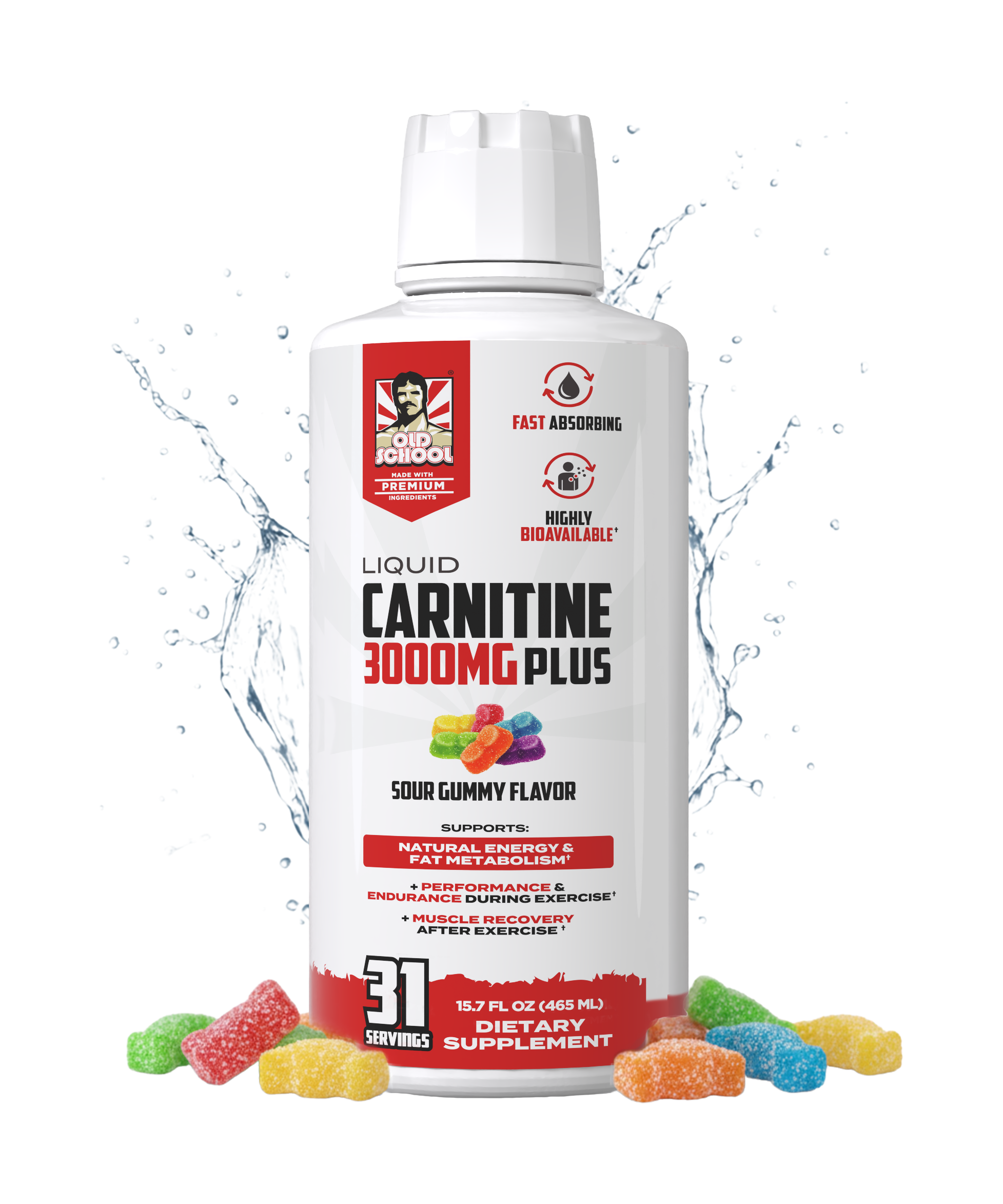
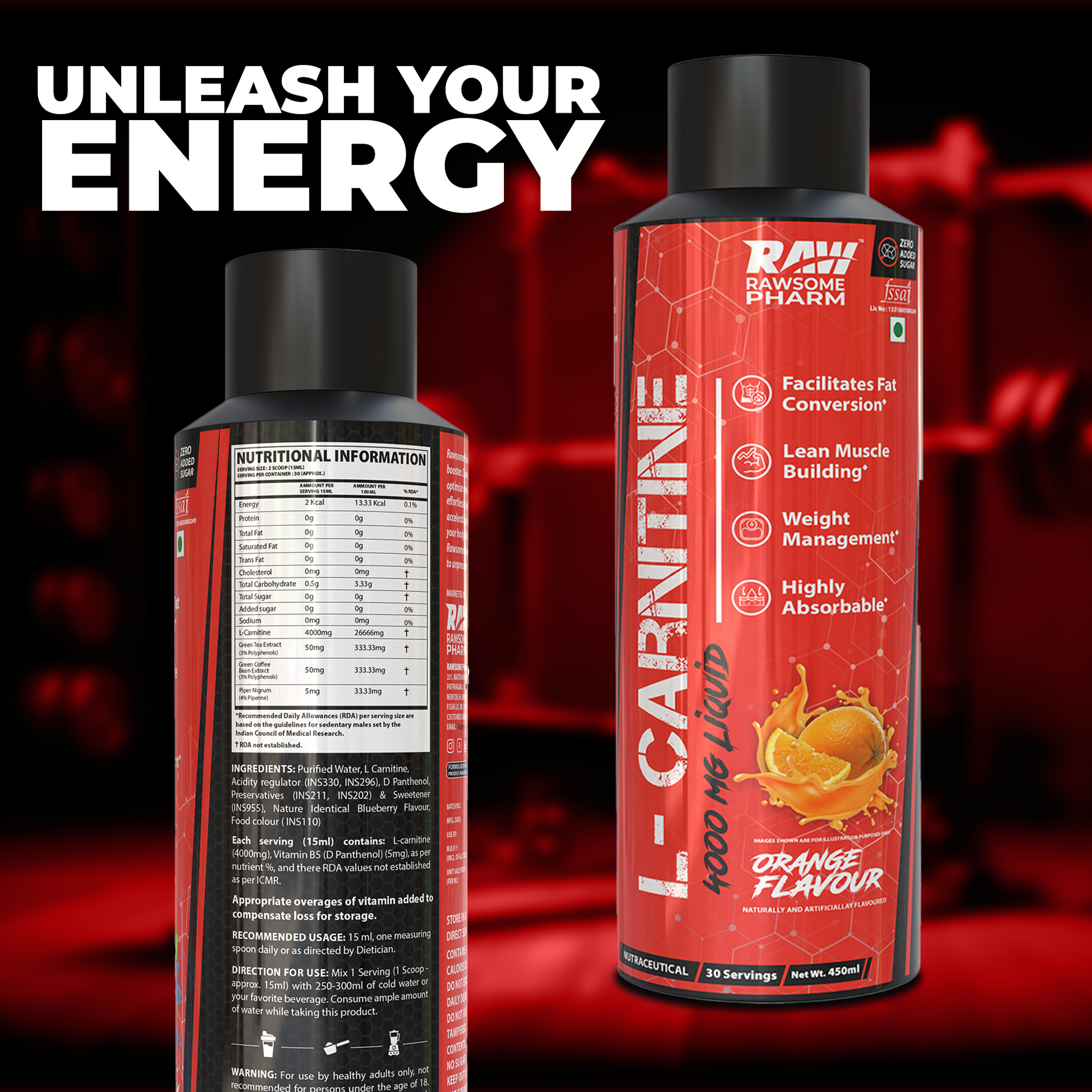
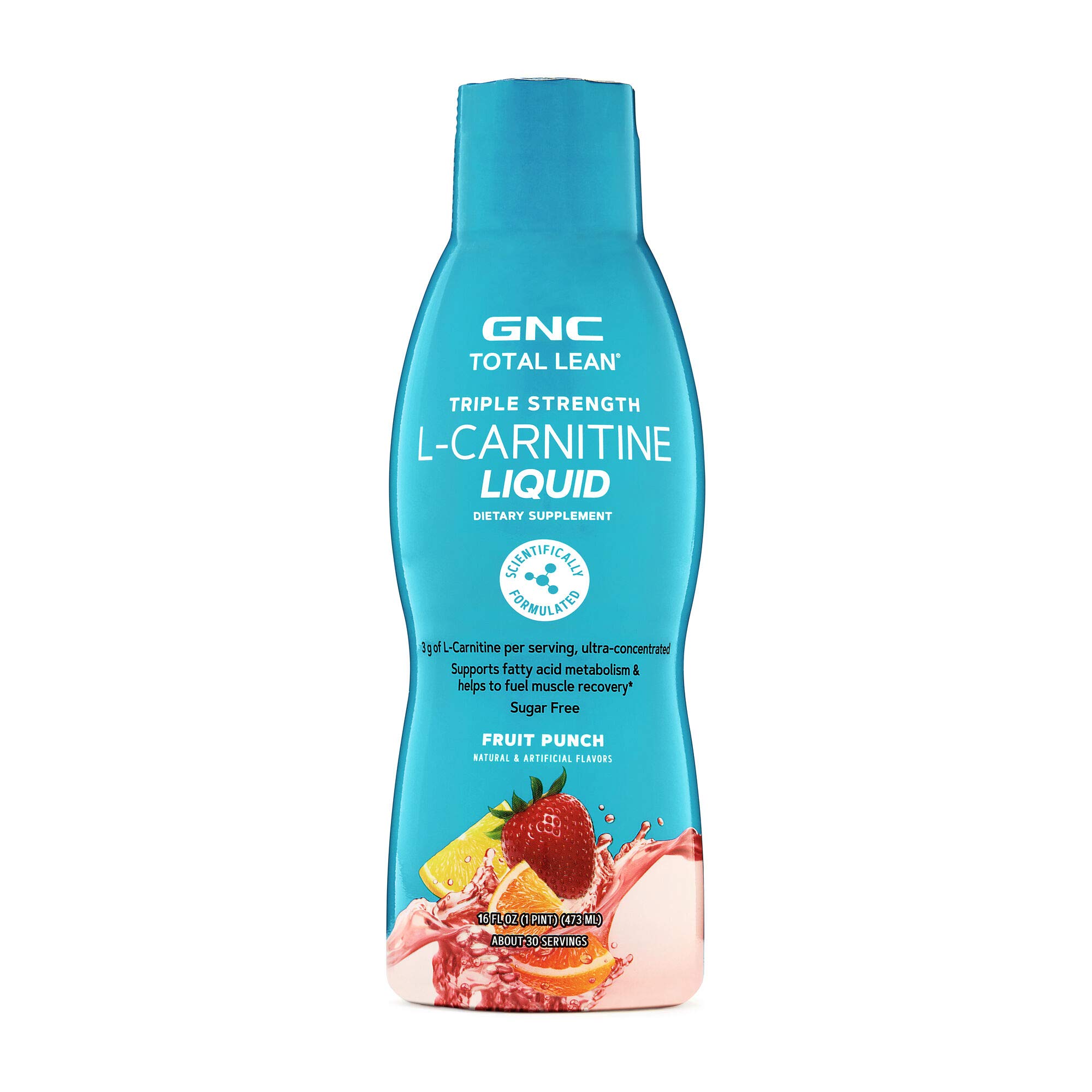
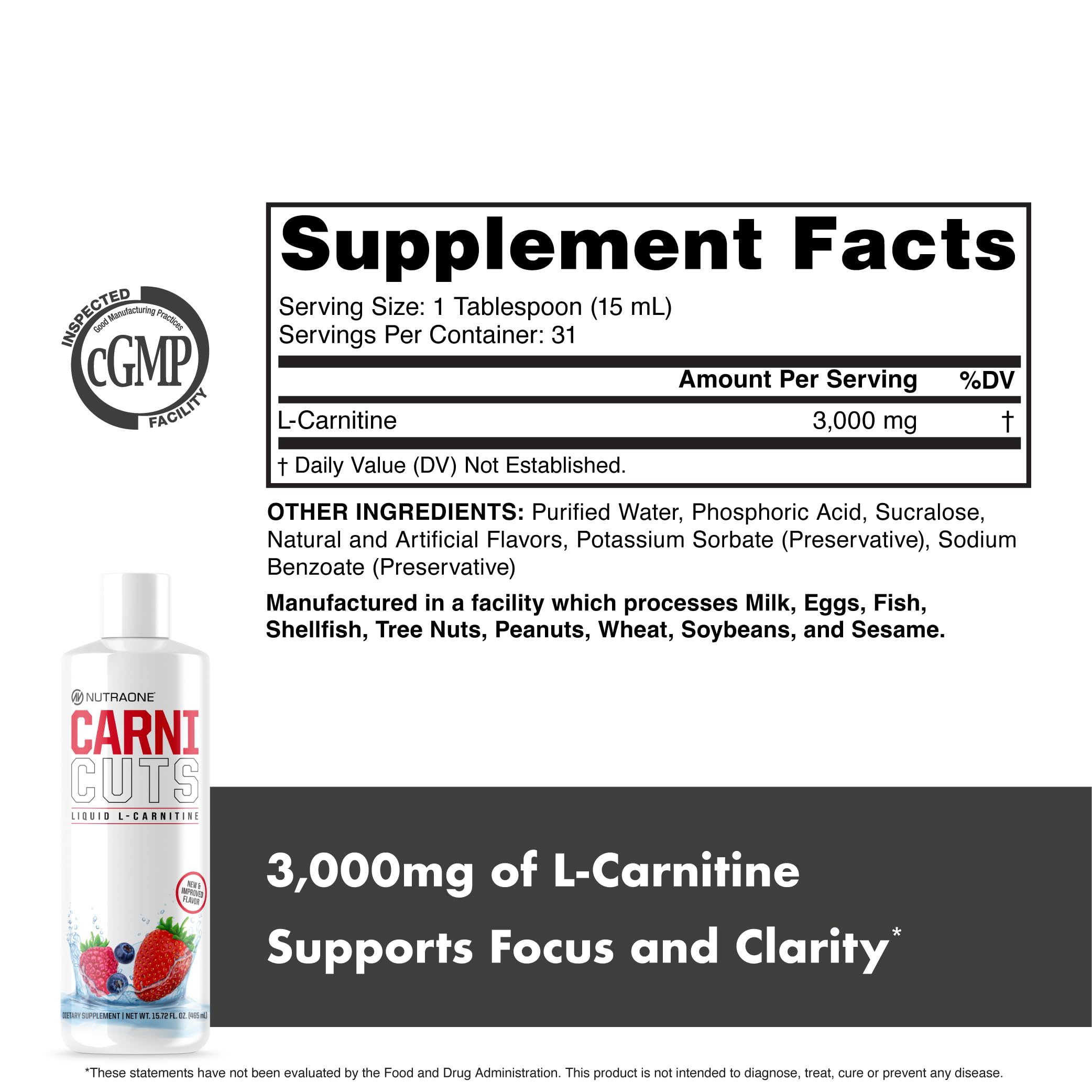
L-carnitine supplementation at this critical juncture may enhance the body's capacity to oxidize released fatty acids, potentially improving: Fat oxidation efficiency: Enhanced mitochondrial function supports greater utilization of mobilized fat stores Energy levels: Improved fatty acid metabolism may reduce fatigue often associated with caloric restriction Muscle preservation: L-carnitine's role in protein metabolism may help maintain lean body mass during weight loss Metabolic flexibility: Better substrate utilization may improve metabolic health markers beyond weight alone Clinical Evidence and Emerging Research While large-scale studies specifically examining tirzepatide or semaglutide combined with L-carnitine remain limited, individual component research provides compelling support: A 2023 meta-analysis in Obesity Reviews demonstrated that L-carnitine supplementation contributed to significant additional weight loss compared to placebo, with an average reduction of 1.3 kg (2.86 lbs) over 12 weeks

Specialized enteroendocrine cells in the gut lining detect luminal contents and release neuroactive hormones, while gut-associated lymphoid tissue (GALT) coordinates immune responses to microbes
Molecular mechanisms and pathophysiological significance of eryptosis







:focal(3000x2000:3001x2001)/https://tf-cmsv2-smithsonianmag-media.s3.amazonaws.com/filer_public/1b/d1/1bd13e5f-b965-47b7-85a7-c1e653cecb61/tobacco.jpg)

