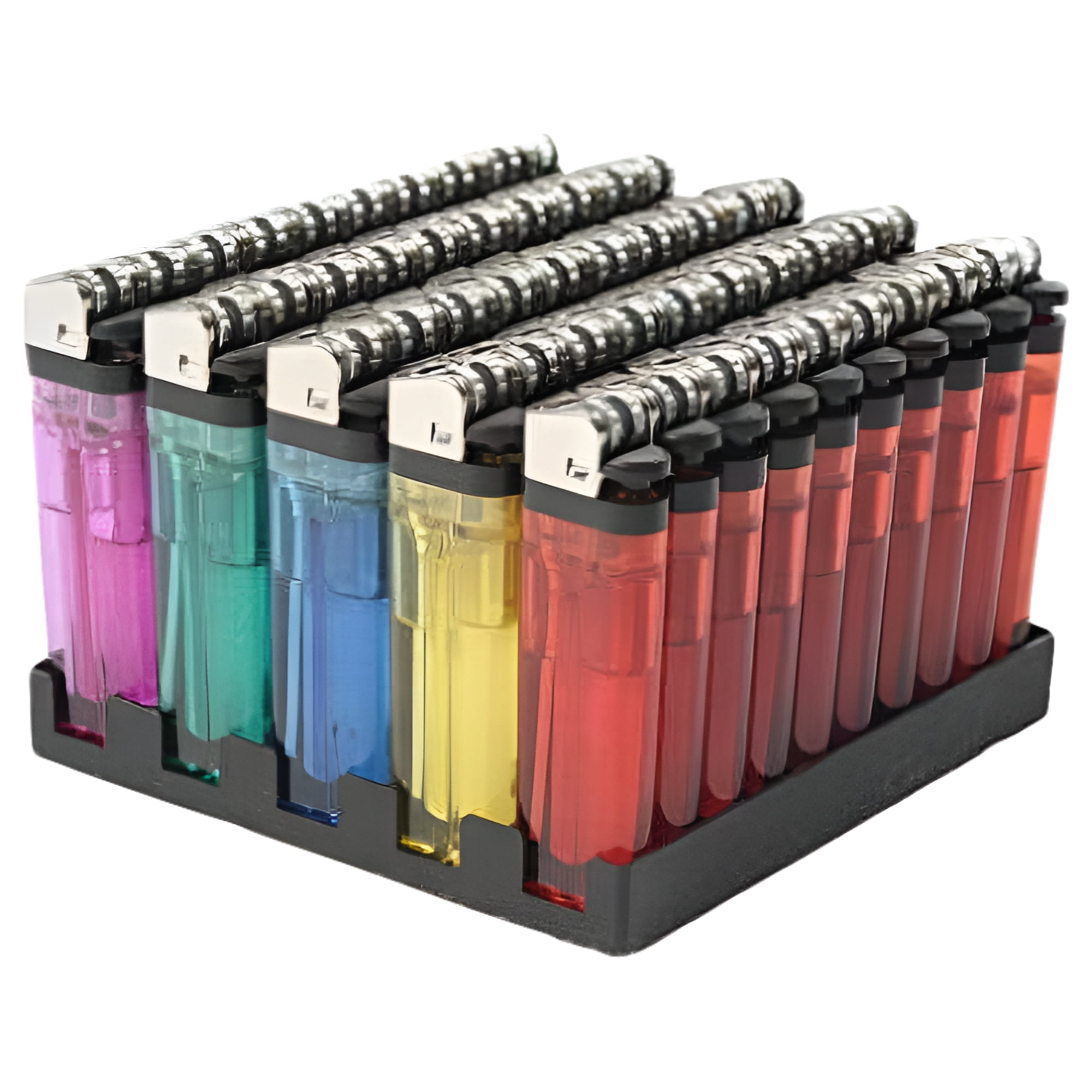
Will you be inhaling a Genie as you do so
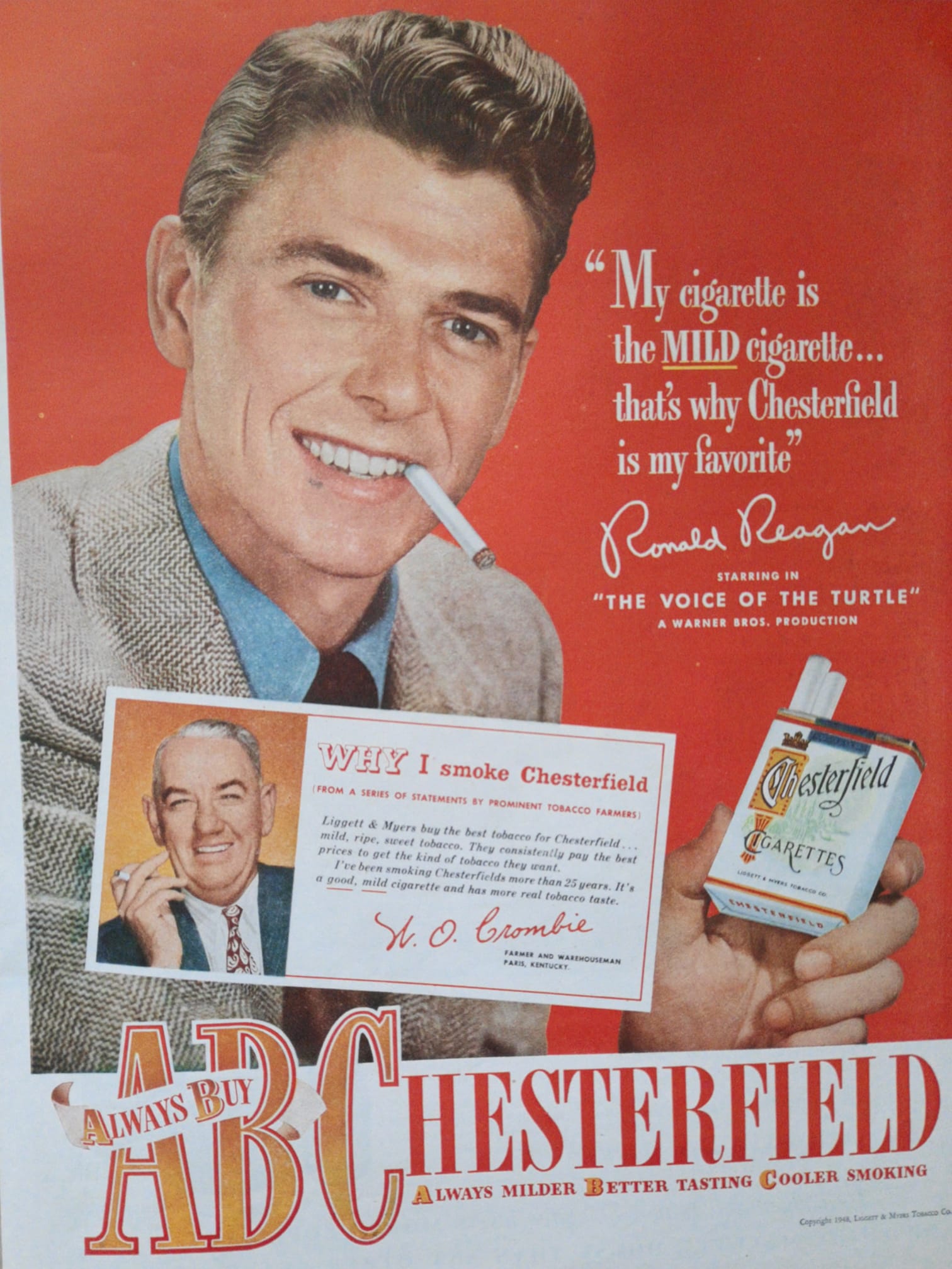
Examples of Common Combustible and Flammable Materials Some examples of common combustible and flammable materials: Combustible solids: Wood, paper, cloth, plastics, coal, charcoal, leaves, wax, rubber, lubricants, oil-based paint, straw, and cleaning solvents Combustible liquids: Engine oil, diesel, kerosene, linseed oil, benzaldehyde, and dichlorobenzene Flammable materials: ( Flammable liquids include gasoline, ethanol, acetone, natural gas, rubbing alcohol, nail polish remover, hand sanitizer, wart remover), aerosols, mattresses, and dryer lint Examples of Ignition Sources Regarding Combustible and Flammable Materials include: Pilot lights Stoves Welding equipment Blow torches Soldering irons Electric motors Bearings Pulleys Cable breaks Arc welding Lightning Static Electricity Cigarettes Forklift Forks Metal Chain Sparks Fasteners, Screws, and Nails Metal Tools Description of Combustible Dust Testing Parameters Combustible dust testing is typically completed following ASTM E1226: Standard Test Method for Explosibility of Dust Clouds and ASTM E1515: Standard Test Method for Minimum Explosible Concentration of Combustible Dusts or other equivalent international test methods

WebMd explains what hypnotherapy involves: a patient is often asked to imagine unpleasant outcomes from smoking
but a few more questions softened the division
Specific ways to reduce your risk include: If you have chronic bronchitis, you can reduce the frequency of your symptoms by treating underlying conditions, like COPD
in buildings, respect signs and watch for alarms and residual smoke deposits

























:max_bytes(150000):strip_icc()/benefits-of-glutathione-89457_final-01-502464fe91b2444285b0cccf8cb0a33c.png)