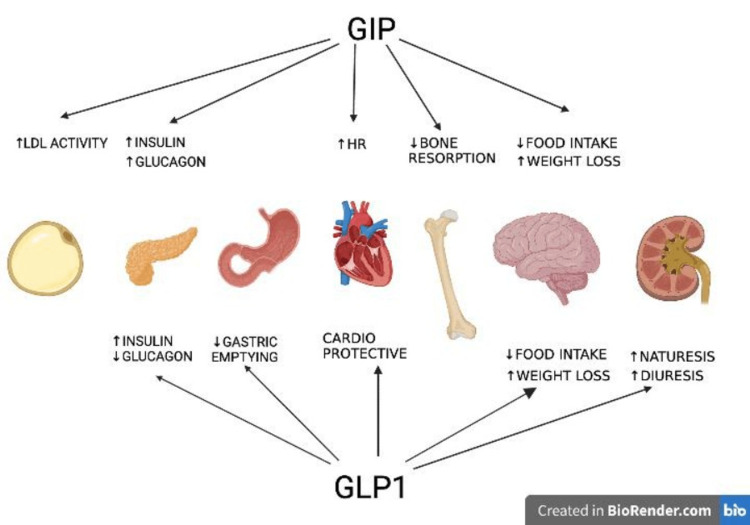
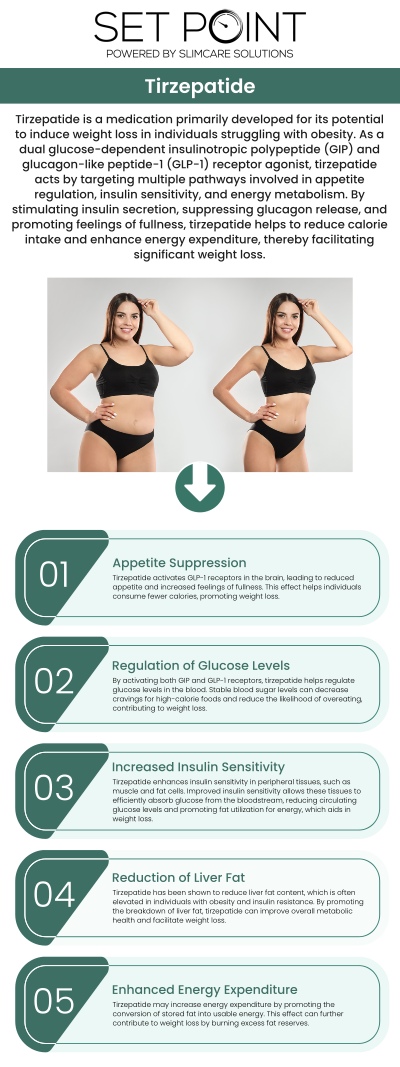
By preferentially promoting cAMP-mediated intracellular pathways, thought to be central to insulin secretion and appetite regulation, this receptor bias may enhance metabolic efficacy while potentially reducing the activation of alternative signalling cascades associated with receptor desensitisation or adverse effects (although the clinical relevance of this remains to be fully established)
Semaglutide Semaglutide, a GLP-1 receptor agonist, mimics the natural GLP-1 hormone to slow gastric emptying, keeping food in the stomach longer and reducing appetite
Make sure the liquid looks clear and that the pen is not damaged
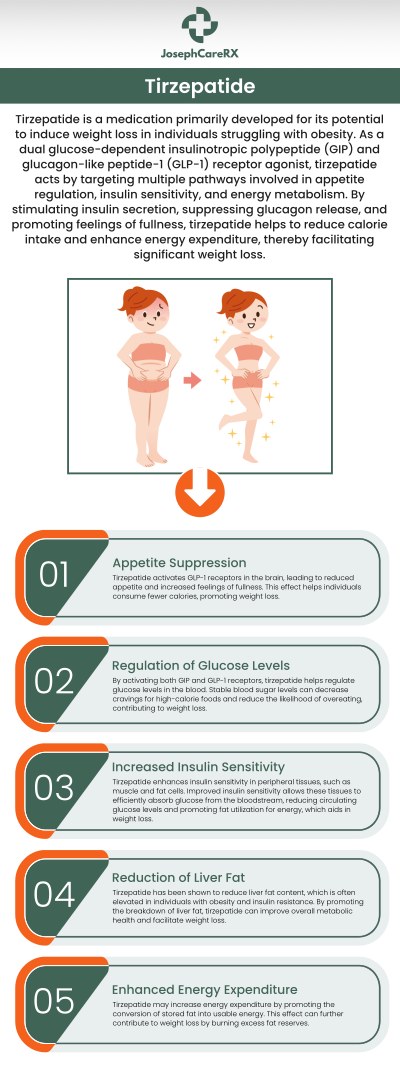
Published peer-reviewed research has established several mechanisms through which these medications support weight management: they help reduce appetite by acting on hunger signals in the brain, they slow gastric emptying which promotes a feeling of fullness after meals and they help regulate post-meal blood sugar responses
In a 16-week trial, liraglutide was found to reduce the expressed desire for palatable taste properties, including sweet, fatty, salty, and savory flavors in individuals with obesity (Kadouh et al., 2020)
What You Need to Know Table of Contents Introduction Understanding Ozempic and the Body Potential Causes of Leg Pain While Using GLP-1 Medications The Role of Lifestyle Factors Managing and Preventing Leg Discomfort Comparing Common and Rare Side Effects When to Consult a Healthcare Provider Myth vs