[wpseo_breadcrumb]
Introduction
In the realm of optical systems, the efficiency of light utilization is paramount, especially in applications involving pump cavities. These cavities are crucial in laser technology, where they amplify light to produce a coherent beam. One of the key components that enhance the performance of pump cavities is the diffuse reflector. This article explores the significance, advantages, and applications of diffuse reflectors in pump cavities.
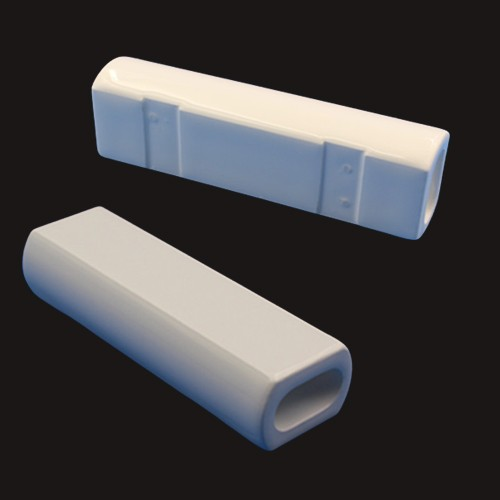
Understanding Diffuse Reflectors
Diffuse reflectors are materials designed to scatter incident light uniformly in multiple directions. Unlike specular reflectors, which reflect light in a single direction, diffuse reflectors help in spreading light evenly across the surface of the pump cavity. This property is particularly beneficial in ensuring that the light interacts effectively with the gain medium.
Characteristics of Diffuse Reflectors
- Uniform Light Distribution: They ensure that light is scattered evenly, reducing hot spots and enhancing overall efficiency.
- Material Versatility: Diffuse reflectors can be made from various materials, including coatings and specially designed surfaces.
- Angle Independence: Their performance is relatively independent of the angle of incidence, making them versatile for different setups.
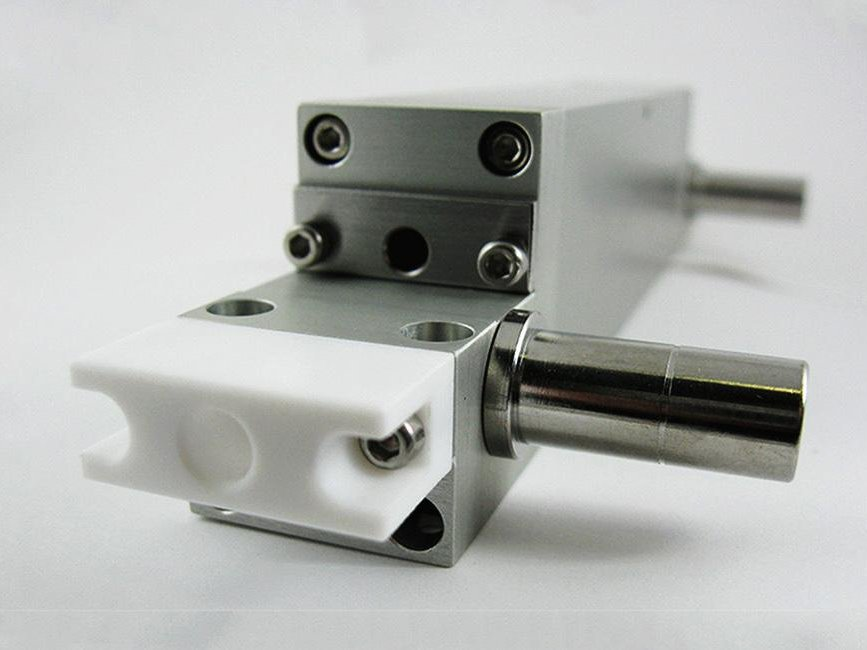
Advantages of Using Diffuse Reflectors
The integration of diffuse reflectors in pump cavities offers several advantages:
- Enhanced Light Utilization: By scattering light evenly, diffuse reflectors maximize the interaction between light and the gain medium, leading to improved energy transfer.
- Reduced Heat Concentration: The uniform distribution of light minimizes localized heating, which can damage sensitive components or lead to inefficiencies.
- Increased Output Stability: With a more consistent light distribution, the output of the laser becomes more stable, which is essential for many applications.
- Improved Beam Quality: The use of diffuse reflectors can enhance the quality of the emitted beam, making it more suitable for precision applications.
Applications of Diffuse Reflectors
Diffuse reflectors find widespread applications across various industries:
- Laser Technology: They are integral to the design of laser cavities, enhancing performance in solid-state, fiber, and gas lasers.
- Lighting Solutions: In LED and other lighting applications, diffuse reflectors help in achieving uniform illumination.
- Optical Sensors: Their ability to scatter light uniformly is beneficial in improving the sensitivity and accuracy of optical sensors.
Conclusion
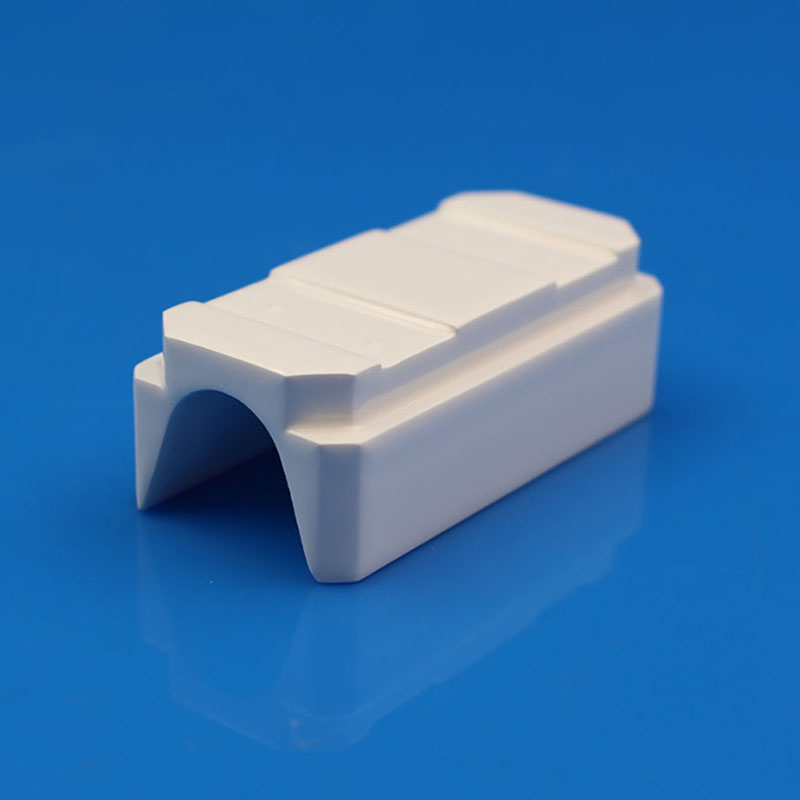
Diffuse reflectors play a vital role in enhancing the efficiency and performance of pump cavities. By promoting uniform light distribution and reducing heat concentration, they significantly contribute to the advancement of laser technology and other optical applications. As the demand for efficient light management continues to grow, the importance of diffuse reflectors will only increase, paving the way for innovations in various fields.
People also ask
Fill up and submit the below inquiry form, or directly write us an email: info@pumpvv.com