
screw vacuum pump

A screw vacuum pump is a type of vacuum pump that uses a pair of interlocking screws to create a vacuum. Here’s an overview of its features, applications, and advantages:

What is a Screw Vacuum Pump?

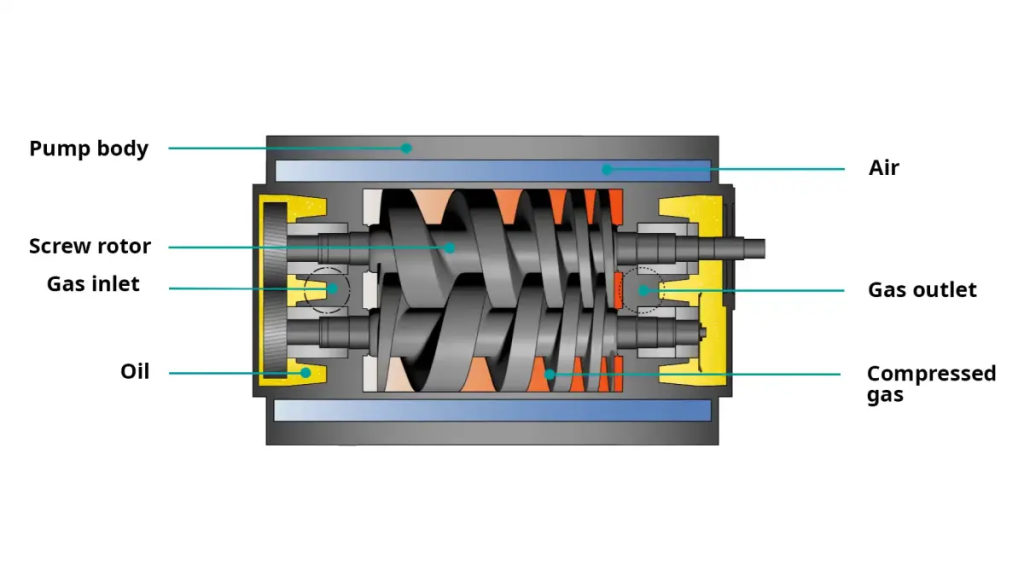
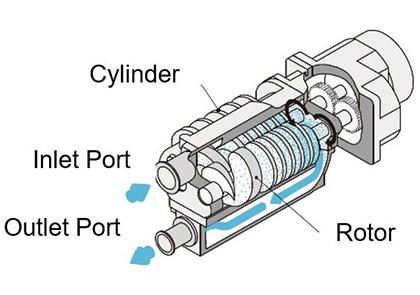
Screw vacuum pumps generate a vacuum by using two helical screws that rotate in opposite directions. As the screws turn, they compress the gas, resulting in a vacuum that can be used for various industrial and laboratory applications.

Key Features

    • Oil-Free Operation: Many screw vacuum pumps operate without oil, making them cleaner and safer for processes requiring a high level of purity.

    • Continuous Operation: They can operate continuously for extended periods without overheating.

    • High Efficiency: These pumps provide a high pumping speed and can handle large volumes of gas.

    • Low Maintenance: Due to fewer moving parts, they generally require less maintenance compared to other types of pumps.

screw vacuum pump

Applications

    • Industrial Processes: Used in processes like drying, distillation, and material handling.

    • Packaging: Common in food packaging and vacuum-sealing applications.

    • Laboratories: Useful for creating a vacuum in various laboratory experiments and processes.

Advantages

    • Compact Design: They tend to have a smaller footprint compared to other vacuum pumps.

    • Reliable Performance: Known for their durability and consistent performance.

    • Environmentally Friendly: Oil-free designs reduce the risk of contamination and are more environmentally friendly.

screw vacuum pump

Conclusion

Screw vacuum pumps are versatile and efficient tools for creating vacuums in various applications. Their advantages make them an excellent choice for industries where reliability and cleanliness are crucial.

  • G Type Single Screw Pump

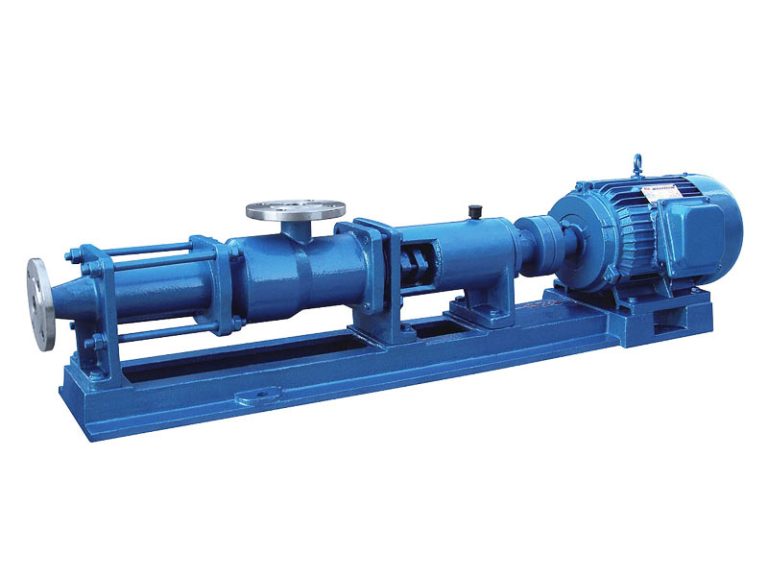
    G Type Single Screw Pump Single Screw Pump Operating Principle and Benefits Single screw pump is a type of rotary positive displacement pump that operates based on the positive displacement principle. The pump works by creating sealed cavities through the interference fit of a single-helix metal rotor and a double-helix elastic stator. Due to the…
  • Progressive Cavity Pump in Bearing Block Design Construction

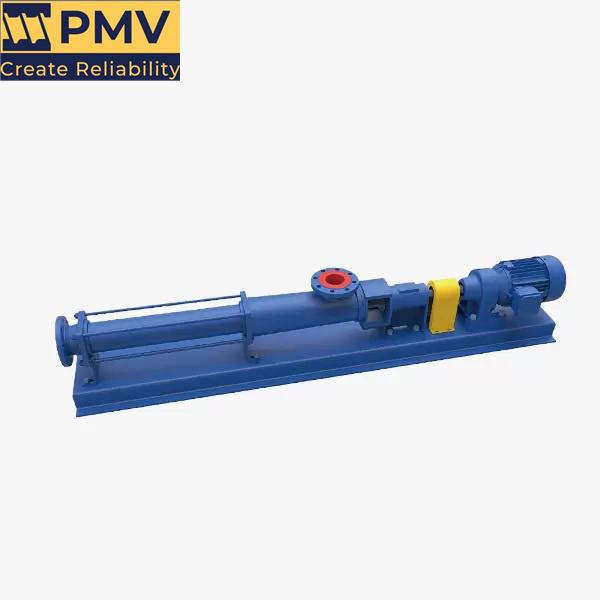
    Progressive Cavity Pump in Bearing Block Design Construction Q=0.5-150 m³/h (2.2 USGPM – 660 USGPM) P=0~4.8 Mpa (0~700 psi) What is a progressive cavity pump in bearing block design construction ? The progressive cavity pump in bearing block design has one more bearing seat than the direct-connected progressive cavity pump, and the bearing seat is connected with…