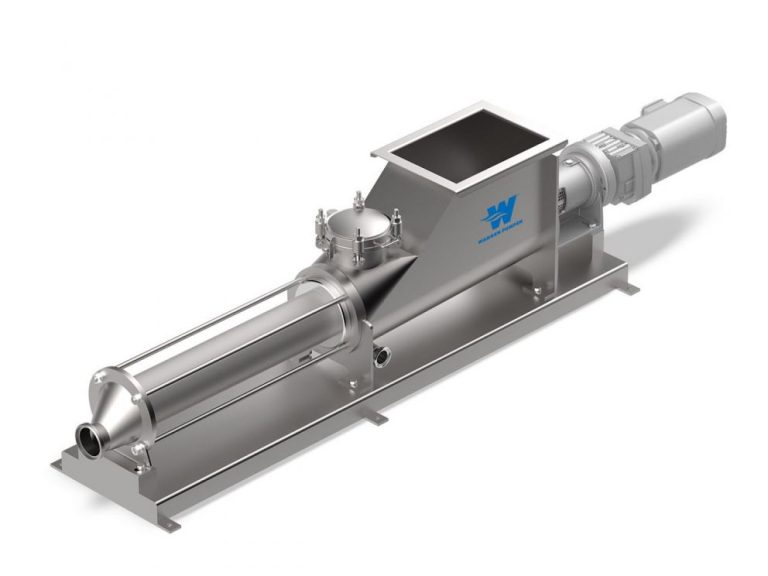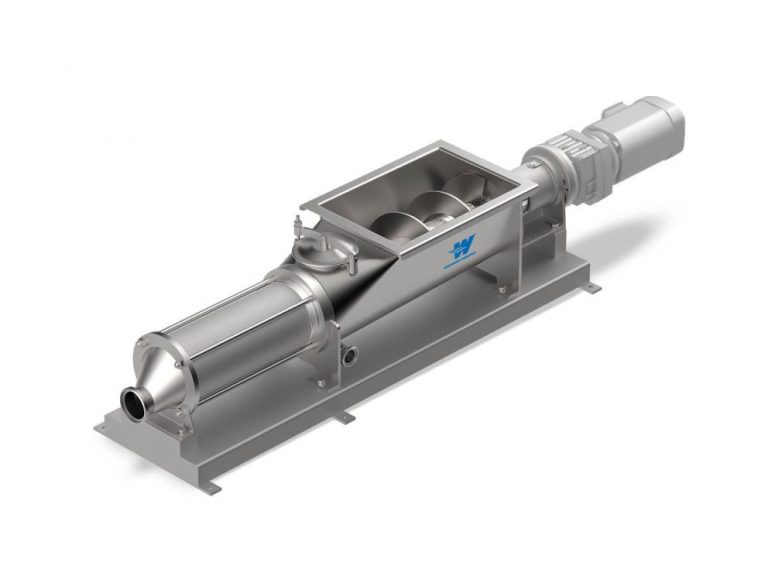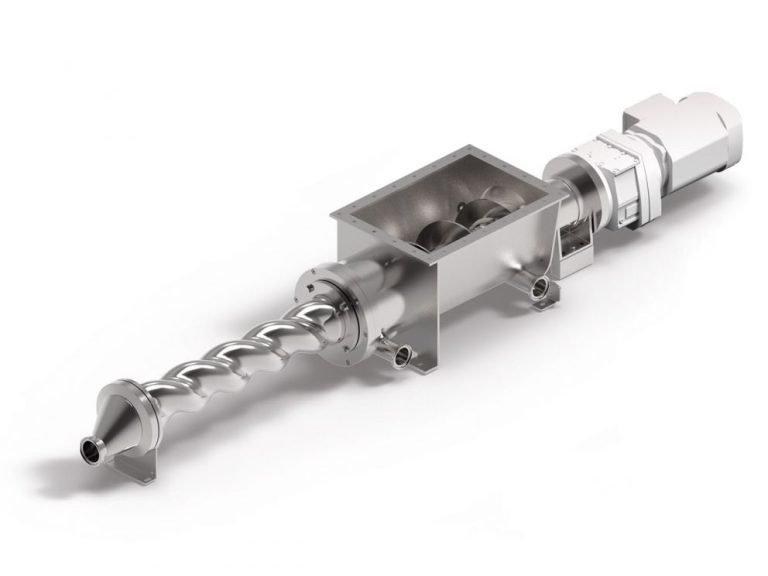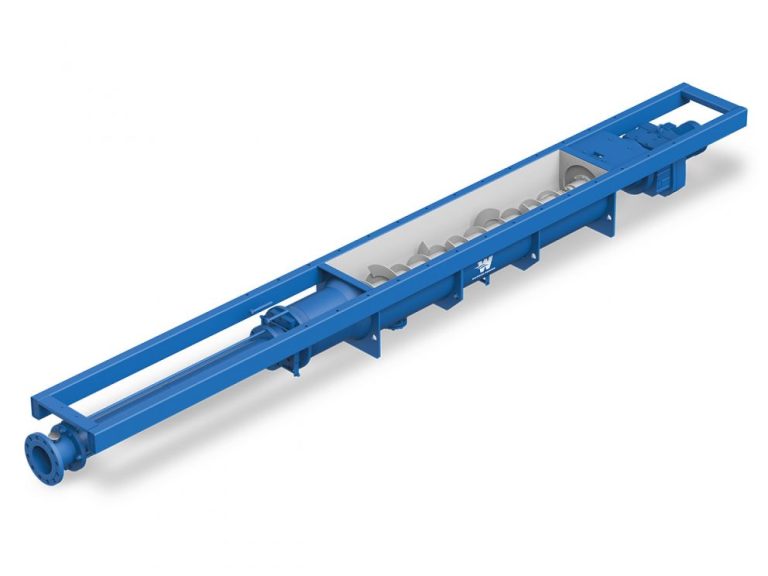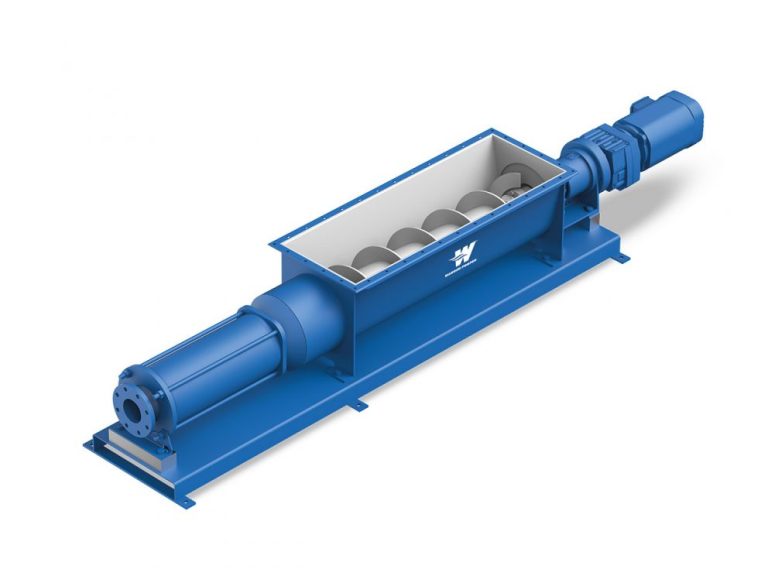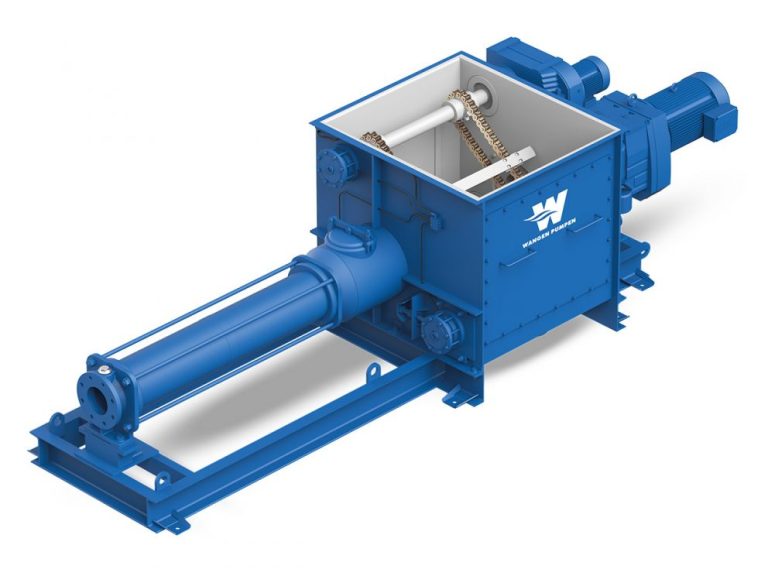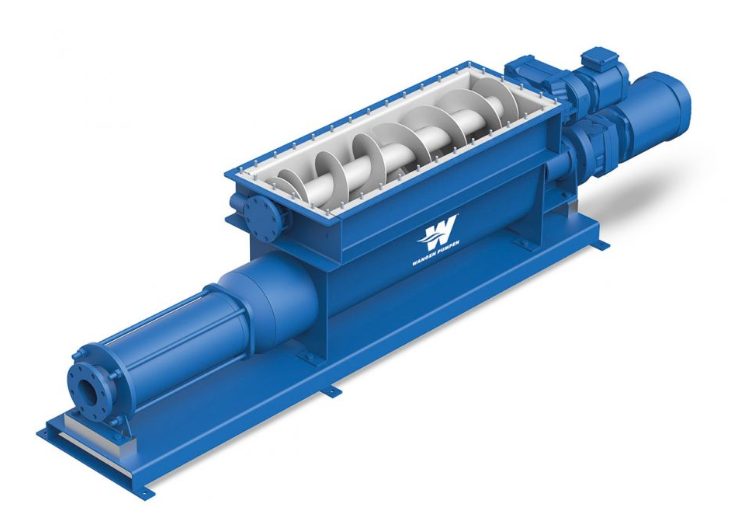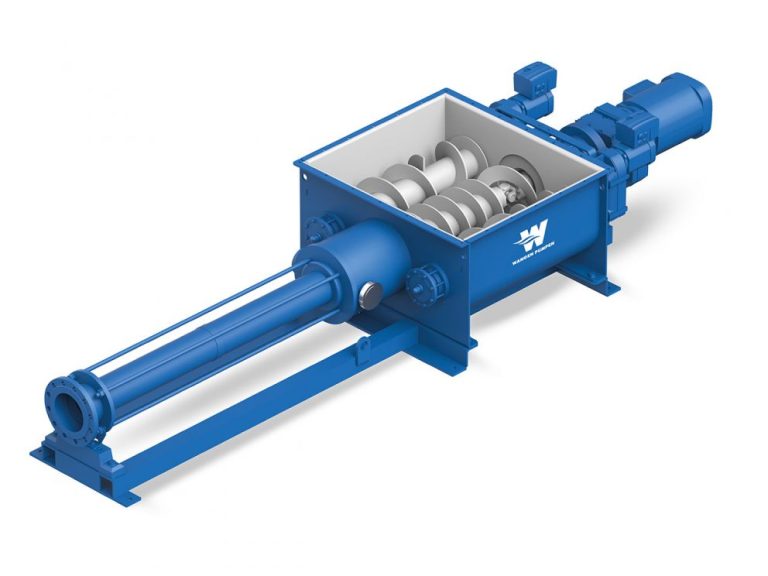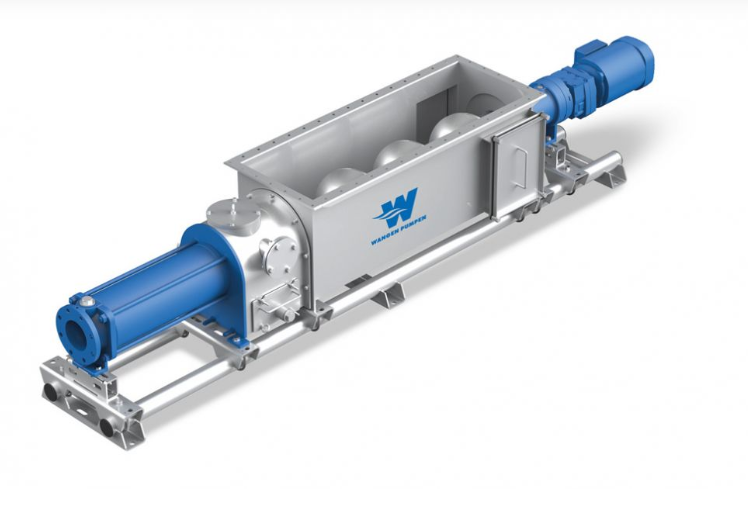
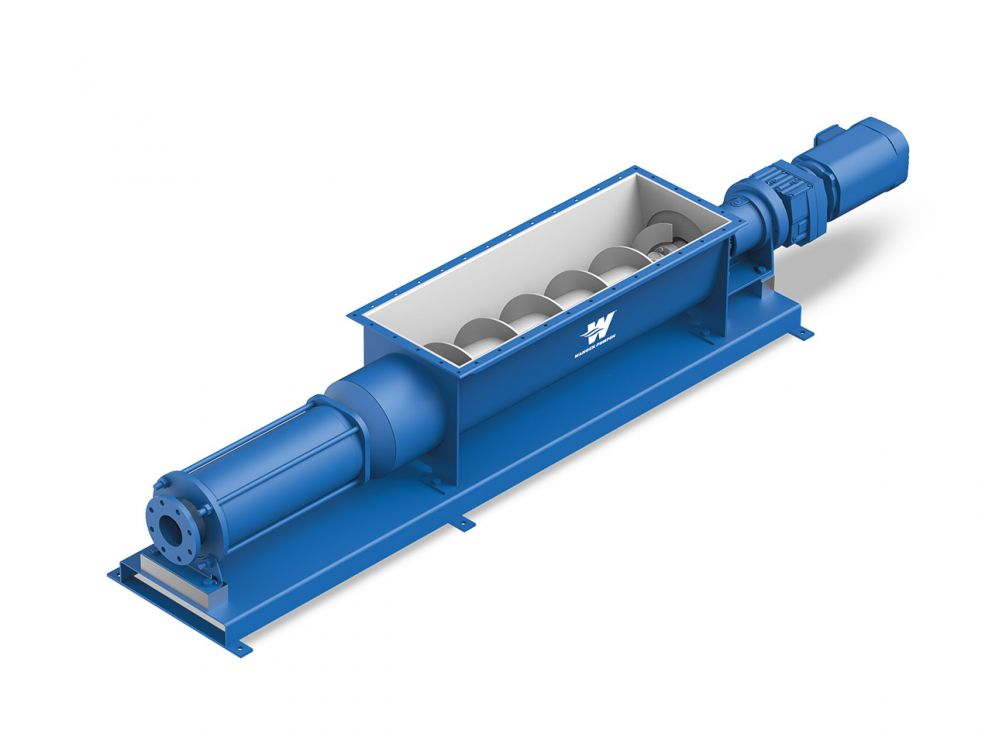
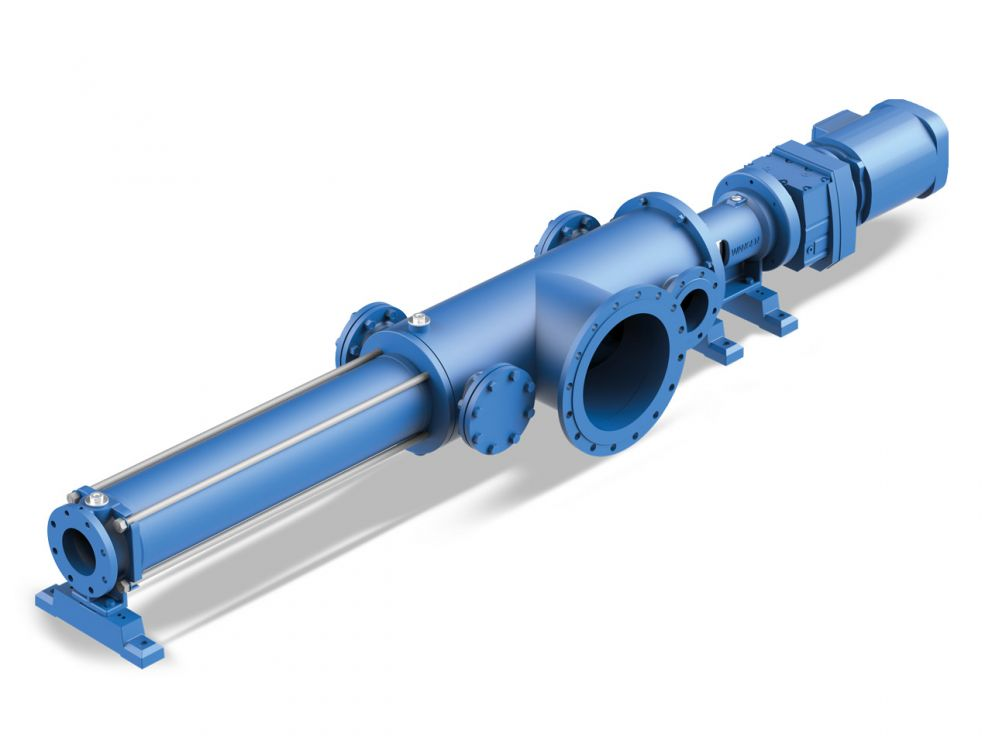
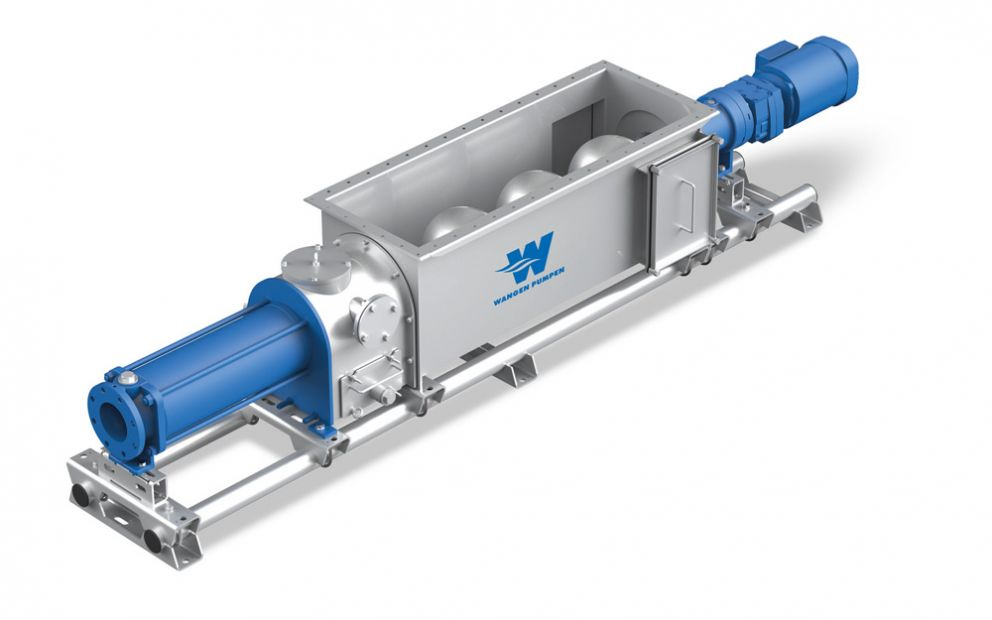
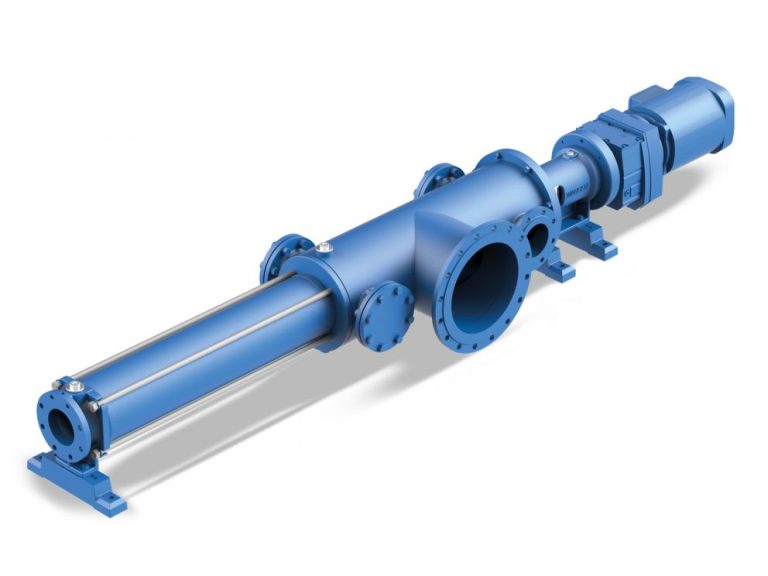
WANGEN Feed Pump

WANGEN Feed Pumps are specialized pumps designed for efficient and reliable transfer of various types of feed materials, particularly in agricultural and industrial applications. They are well-known for their durability, versatility, and ability to handle challenging substances.

1. Key Features of WANGEN Feed Pumps

    • Positive Displacement Design:
      Utilizing a rotary design, WANGEN pumps ensure a consistent flow rate regardless of pressure variations.

    • Self-Priming Ability:
      These pumps can self-prime, which simplifies installation and operation.

    • Gentle Product Handling:
      They are designed to minimize shear forces, making them suitable for delicate feeds and slurries.

    • Modular Design:
      WANGEN pumps can be easily customized and configured to meet specific application needs.

WANGEN Feed Pump

2. Applications of WANGEN Feed Pumps

    • Agriculture:
      Used for transferring animal feed, silage, and other agricultural products efficiently.

    • Biogas Plants:
      Suitable for feeding substrates into anaerobic digesters, ensuring a steady supply of materials.

    • Food and Beverage Industry:
      Ideal for handling viscous products like pastes, sauces, and slurries.

    • Chemical Processing:
      Effective in transferring chemicals and other viscous media in various industrial applications.

WANGEN Feed Pump

3. Advantages of WANGEN Feed Pumps

    • High Efficiency:
      The design allows for low energy consumption while maintaining a high flow rate.

    • Durability:
      Made from robust materials, these pumps can withstand harsh operating conditions.

    • Easy Maintenance:
      WANGEN pumps are designed for straightforward maintenance procedures, reducing downtime.

    • Versatility:
      Capable of handling a wide range of viscosities and flow rates, making them suitable for various industries.

WANGEN Feed Pump

4. Considerations When Choosing WANGEN Feed Pumps

    • Material Compatibility:
      Ensure that the pump materials are compatible with the type of feed being transferred.

    • Viscosity and Flow Rate:
      Assess the viscosity of the feed and the required flow rate to select the appropriate pump model.

    • Installation Space:
      Consider the available space for installation, as some models may have specific size requirements.