[wpseo_breadcrumb]

Introduction

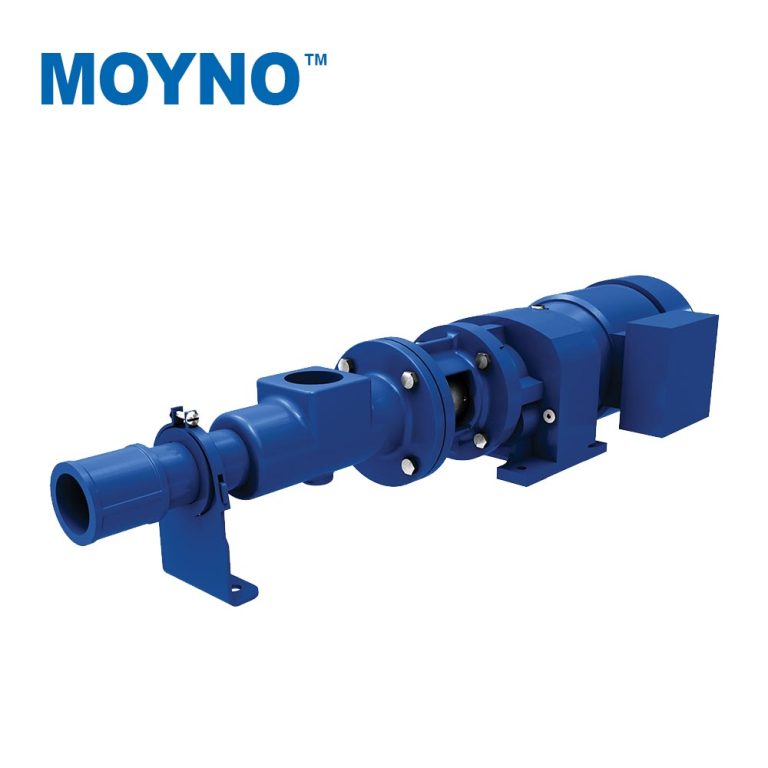
The Liberty Process Progressive Cavity Pump is a vital piece of equipment in various industrial applications. Known for its efficiency and reliability, this pump is widely used in sectors such as wastewater treatment, food processing, and chemical manufacturing. This article explores its features, benefits, and applications.

What is a Progressive Cavity Pump?

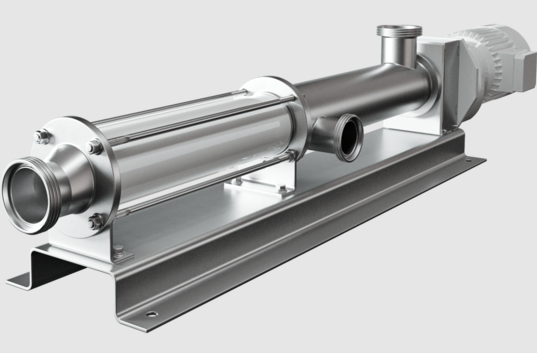
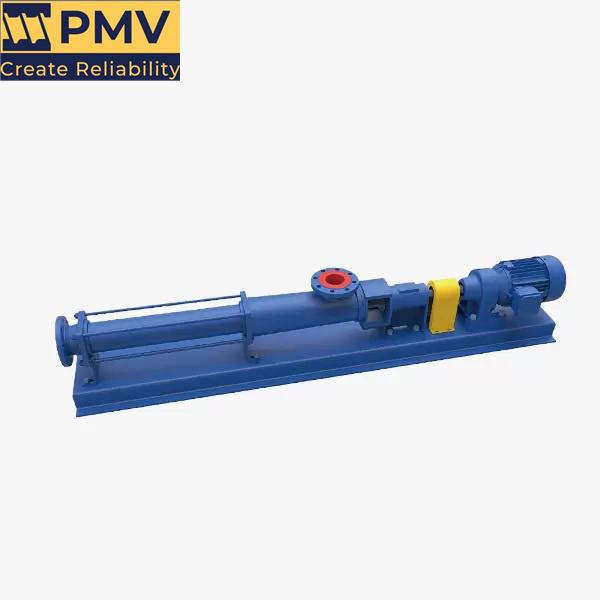
A progressive cavity pump is a type of positive displacement pump. It consists of a helical rotor that rotates within a stator, creating cavities that move fluid through the pump. This design allows for the handling of a wide range of viscosities and solids, making it suitable for challenging applications.
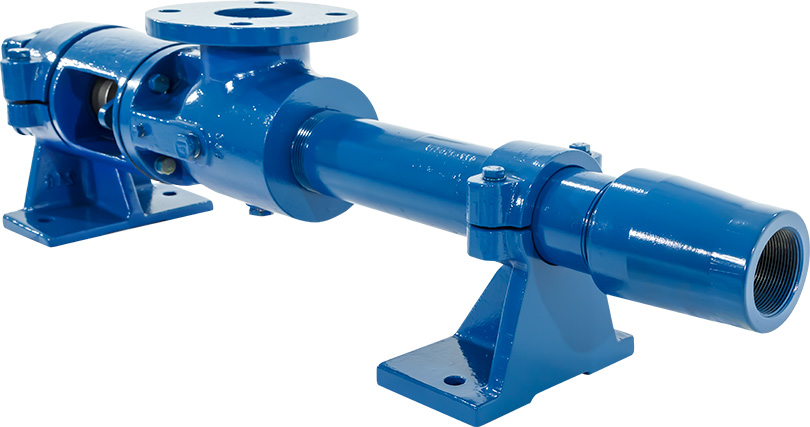
Liberty Process Progressive Cavity Pump

Key Features

The Liberty Process Progressive Cavity Pump boasts several features that contribute to its popularity:

  • Versatility: Capable of handling various fluids, including slurries, viscous liquids, and shear-sensitive materials.
  • Continuous Flow: Delivers a steady flow rate, reducing pulsation and providing smooth operation.
  • Self-Priming: Can easily draw fluid from a lower level, making it ideal for various installations.
  • Durability: Constructed from high-quality materials to withstand harsh conditions and extend the pump’s lifespan.

Benefits

Utilizing the Liberty Process Progressive Cavity Pump offers numerous advantages:

  • Efficiency: Its design minimizes energy consumption while maximizing flow rate and pressure.
  • Low Maintenance: Fewer moving parts lead to reduced wear and tear, resulting in lower maintenance costs.
  • Adaptability: Can be customized for specific applications, including different rotor and stator materials.
  • Reduced Downtime: Quick installation and maintenance processes ensure minimal disruption to operations.
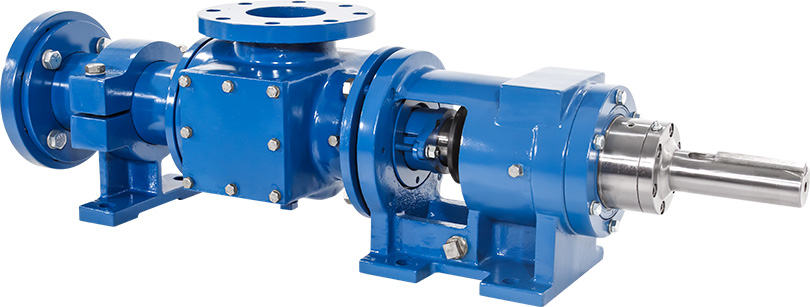
Liberty Process Progressive Cavity Pump

Applications

The Liberty Process Progressive Cavity Pump is suitable for a variety of applications:

  • Wastewater Treatment: Efficiently handles sludge and other viscous waste materials.
  • Food and Beverage Industry: Used for transferring paste-like substances, ensuring product integrity.
  • Chemical Processing: Handles aggressive chemicals and corrosive fluids without compromising safety.
  • Oil and Gas: Effective in transporting high-viscosity fluids, including crude oil and emulsions.

Conclusion

The Liberty Process Progressive Cavity Pump stands out as a reliable and efficient solution for a wide range of industrial applications. Its unique design, coupled with its numerous benefits, makes it an essential tool in modern processing environments. As industries continue to evolve, the demand for such innovative pumping solutions will undoubtedly grow, solidifying the Liberty Process Progressive Cavity Pump’s place in the market.

People also ask

NEMO® Progressing Cavity Pumps: Working Principle

Progressing cavity pumps are a type of rotary positive displacement pump. The main conveying components of this pump are a rotating Rotorrotor,Rotors,rotorsrotor and a fixed stator that create continuous movement of fluids through the pump cavities.

Progressive cavity pumps are ideal for pumping fluids that have higher viscosities. With a centrifugal pump, the flow rate goes down as the fluid viscosity goes up. This is far less efficient, as the pump must then increase its energy consumption in order to keep up.

A progressive cavity pump will not change the oil droplets where a centrifugal pump will emulsify the oil and make the oil droplets very small and reduce the separation performance of the separator.

Fill up and submit the below inquiry form, or directly write us an email: info@pumpvv.com
Similar Posts

  • SEEPEX BCF – FLEXROD DESIGN FOOD AND HYGIRNIC PUMPS

    SEEPEX BCF – FLEXROD DESIGN The BCF food pump and hygienic pump from SEEPEX, with its joint-free, flexible titanium shaft (Flexrod) is certified under 3-A Sanitary Standards. Tangentially positioned flush connections allow residue-free cleaning in CIP and SIP processes. Optimal cleaning and sterilization can also be achieved when disassembled (COP). Thanks to minimal pulsation and…

  • Moyno Pump-PMV Pump

    Moyno Pump: Efficient and Versatile Progressive Cavity Pump The Moyno Pump is a popular type of progressive cavity pump. It consists of a single rotating element, known as a rotor, housed within a flexible stator. This unique design allows for the efficient transfer of fluids, including those with high viscosity and solids content. The Moyno…

  • Moyno Progressive Cavity Pump Curves

    Progressive cavity pumps, specifically those manufactured by Moyno, are renowned for their efficiency and reliability in various industrial applications. Understanding the pump curves associated with these devices is essential for optimizing performance and achieving desired outcomes in fluid handling systems. This article will delve into the significance of Moyno progressive cavity pump curves, their features,…

  • Hygienic Twin Screw Pump

    Hygienic Twin Screw Pump, More Commonly Known as Sanitary Twin Screw Pump. The hygienic twin screw pump is an advanced pumping solution designed for applications requiring high hygiene standards. It is generally know as a sanitary twin screw pump,and specifically developed to handle sensitive and viscous fluids in industries such as food and beverage, pharmaceuticals,…

  • Progressive Cavity Pump in Bearing Block Design Construction

    Progressive Cavity Pump in Bearing Block Design Construction Q=0.5-150 m³/h (2.2 USGPM – 660 USGPM) P=0~4.8 Mpa (0~700 psi) What is a progressive cavity pump in bearing block design construction ? The progressive cavity pump in bearing block design has one more bearing seat than the direct-connected progressive cavity pump, and the bearing seat is connected with…

  • Comparing Progressive Cavity Pumps to Jet Pumps

    When it comes to fluid handling in various industries, the choice of pump can significantly affect efficiency, cost, and maintenance. Among the many types of pumps available, progressive cavity pumps and jet pumps are two popular options, each with its unique advantages and limitations. This article will compare these two types of pumps, highlighting their…