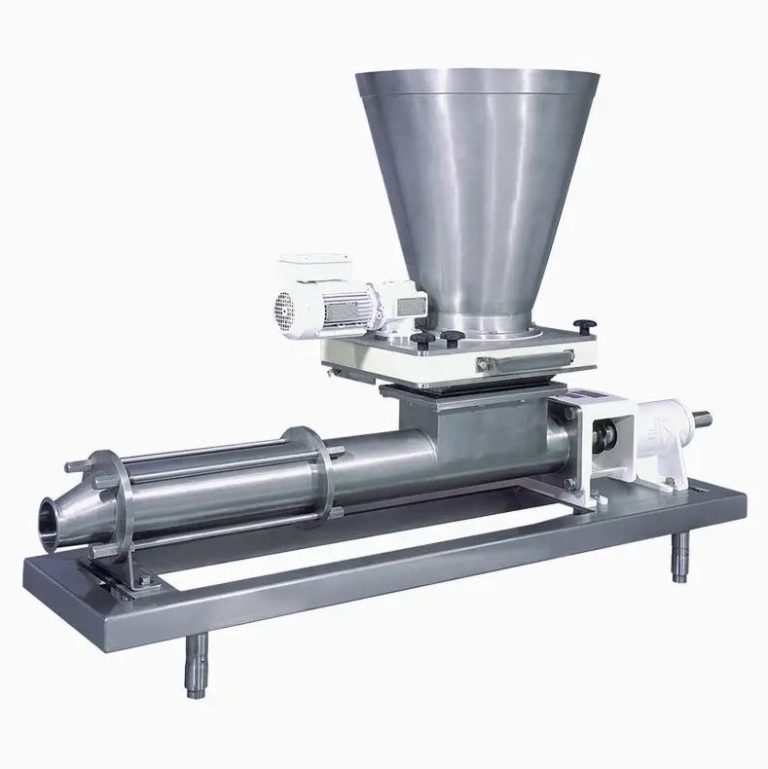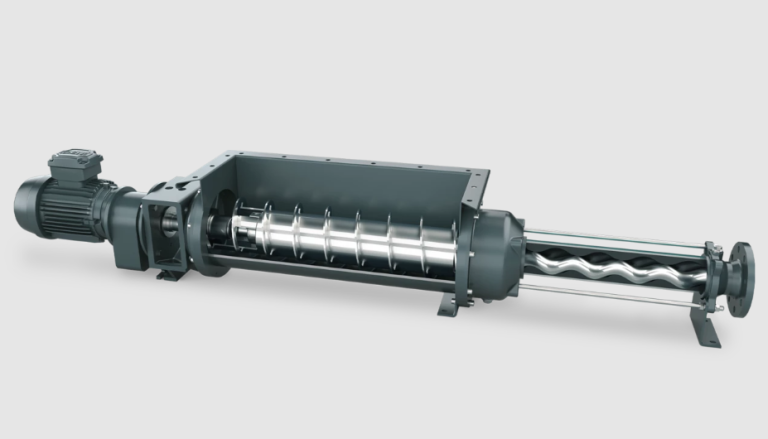
Cavity wall pumped insulation is an effective method for enhancing the energy efficiency of homes. It involves the injection of insulation material into the cavity of a wall, creating a barrier that helps maintain a comfortable indoor temperature. This article will explore the benefits, process, and considerations of cavity wall pumped insulation.
Understanding Cavity Walls
Cavity walls consist of two layers of masonry with a space, or cavity, in between. This design was developed to improve insulation and reduce moisture penetration. The cavity allows for better thermal performance, but it can also be a source of energy loss if left uninsulated.
Benefits of Cavity Wall Pumped Insulation
- Energy Efficiency
One of the primary advantages of cavity wall insulation is the significant improvement in energy efficiency. Insulating the cavity reduces heat loss during colder months and keeps homes cooler in the summer. - Cost Savings
By improving energy efficiency, homeowners can see a reduction in heating and cooling costs. Over time, the savings can offset the initial investment in insulation. - Enhanced Comfort
Proper insulation leads to a more stable indoor climate. Homeowners often report feeling more comfortable in their homes, with fewer drafts and cold spots. - Environmental Impact
Reducing energy consumption not only saves money but also lowers carbon emissions. Insulating homes contributes to a more sustainable future. - Increased Property Value
Homes with effective insulation are often more attractive to buyers. Cavity wall insulation can enhance the overall value of a property.
The Installation Process
The installation of cavity wall pumped insulation is a straightforward process that typically involves the following steps:
1. Assessment of the Property
Before installation, a professional assesses the property to determine the best insulation type and method. This evaluation includes checking the condition of the walls and identifying any potential issues, such as dampness.
2. Preparation
Once the assessment is complete, the area around the wall is prepared. This may involve removing any obstructions and ensuring easy access to the wall cavity.
3. Drilling Holes
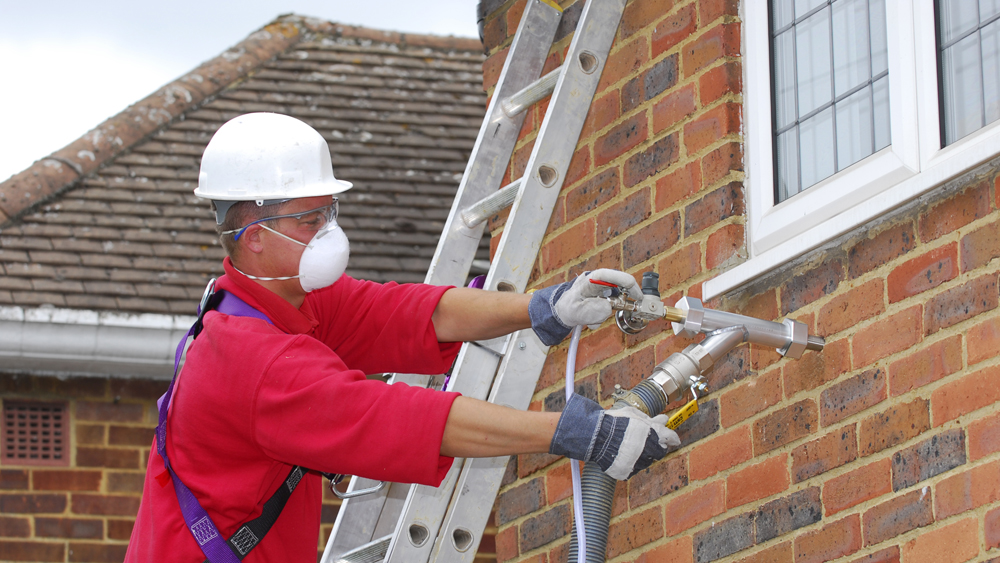
Small holes are drilled into the exterior wall, usually at the mortar joints. This allows access to the cavity for the insulation material.
4. Injection of Insulation
Using specialized equipment, insulation material is pumped into the cavity through the drilled holes. The material fills the space evenly, ensuring maximum coverage.
5. Sealing Holes
After the insulation is in place, the holes are sealed, often with a matching mortar to blend seamlessly with the existing wall.
6. Final Inspection
A final inspection is conducted to ensure that the insulation has been installed correctly and that there are no issues.
Considerations Before Installation
While cavity wall pumped insulation offers numerous benefits, there are some considerations to keep in mind:
1. Wall Condition
It’s crucial to ensure that the walls are in good condition before insulation. Any existing issues, such as dampness or structural problems, should be addressed beforehand.
2. Type of Insulation
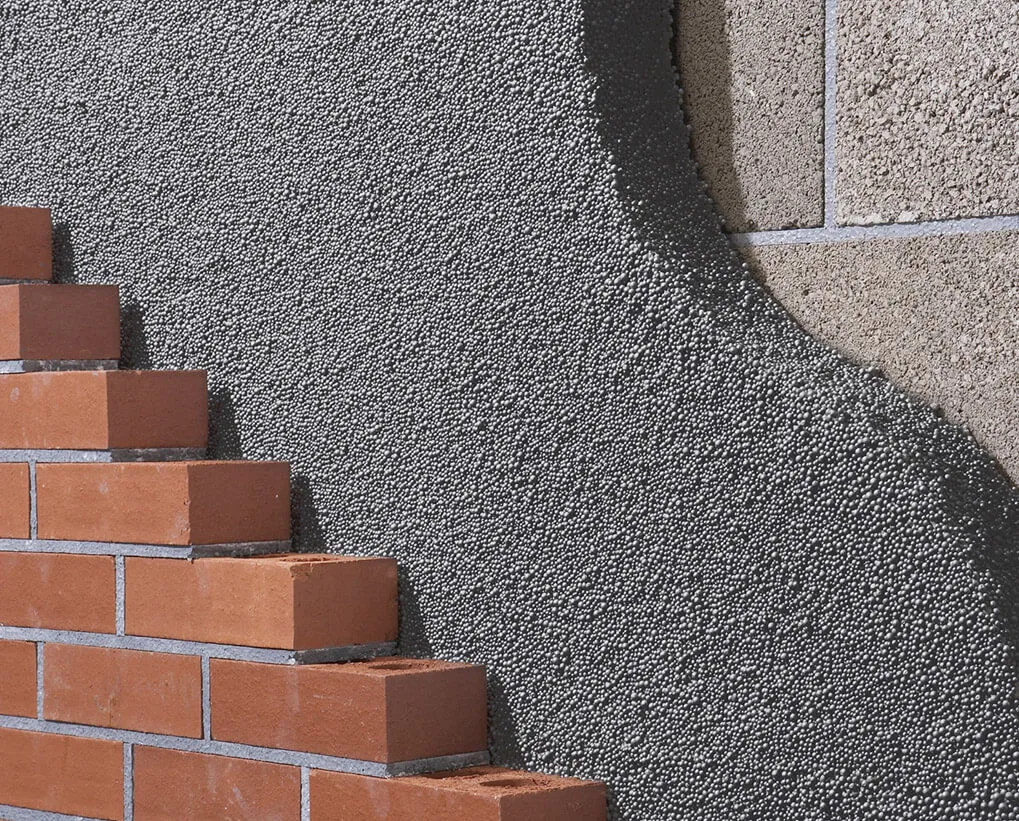
There are various types of insulation materials available, including polystyrene beads, mineral wool, and foam. The choice of material can impact effectiveness and cost.
3. Professional Installation
Hiring a qualified professional for installation is essential. Proper installation is key to maximizing the benefits of cavity wall insulation and avoiding potential problems.
4. Local Regulations
Homeowners should be aware of any local building regulations or guidelines concerning insulation. Compliance with these regulations is important to ensure safety and effectiveness.
5. Long-Term Maintenance
Although cavity wall insulation can provide long-term benefits, regular maintenance and checks are necessary to ensure that it continues to perform effectively.
Conclusion
Cavity wall pumped insulation is a valuable investment for homeowners seeking to improve energy efficiency and comfort in their homes. By understanding the benefits, installation process, and considerations, homeowners can make informed decisions about whether this insulation method is right for them. Ultimately, cavity wall insulation not only enhances the living environment but also contributes positively to the environment by reducing energy consumption.
People also ask
Fill up and submit the below inquiry form, or directly write us an email: info@pumpvv.com