Introduction

Progressive cavity pumps are widely recognized for their ability to handle various fluids, including those with high viscosities and solids. However, one of the critical factors affecting their performance is the Net Positive Suction Head (NPSH). A low NPSH progressive cavity pump addresses specific challenges in applications where traditional pumps may struggle.

Understanding NPSH

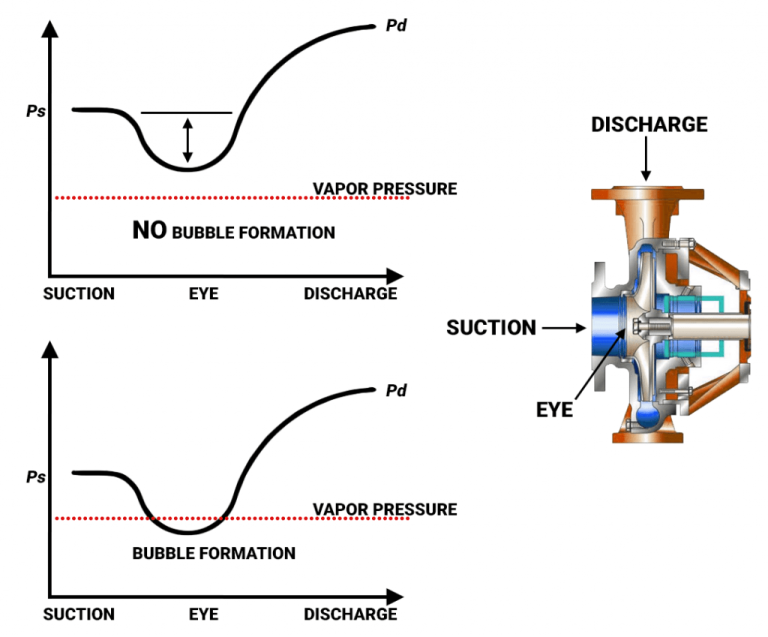
NPSH is a crucial parameter in pump engineering, representing the pressure available at the pump inlet to prevent cavitation. Cavitation can lead to significant damage and decreased efficiency. Low NPSH pumps are specially designed to operate effectively in conditions where the NPSH available is limited.
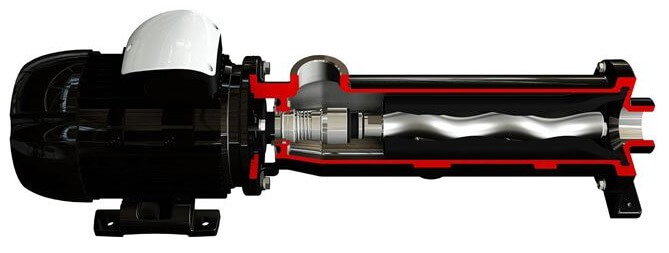
Low NPSH Progressive Cavity Pump

Characteristics of Low NPSH Progressive Cavity Pumps

Low NPSH progressive cavity pumps possess several unique characteristics that make them suitable for specific applications:

  • Cavitation Resistance: Designed to minimize the risk of cavitation, these pumps maintain smooth and continuous flow, even with limited suction pressure.
  • Versatile Applications: They can be used in various industries, including wastewater treatment, food processing, and chemical handling, where low suction conditions are common.
  • Self-Priming Capability: Many low NPSH models are self-priming, allowing them to start pumping without the need for external priming equipment.
  • Durability: Constructed with robust materials, these pumps can handle abrasive and viscous fluids, extending their lifespan and reducing maintenance costs.
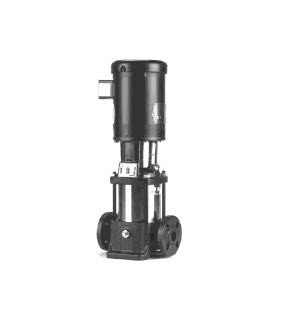
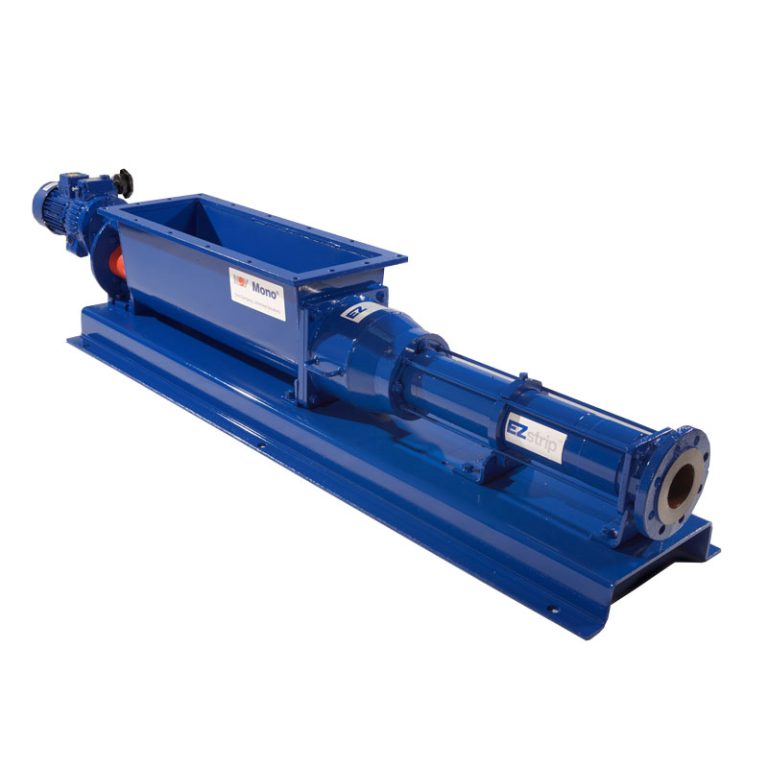
Low NPSH Progressive Cavity Pump

Advantages of Low NPSH Progressive Cavity Pumps

Utilizing low NPSH progressive cavity pumps offers several advantages:

  • Efficiency: They operate efficiently under low suction conditions, ensuring consistent flow rates and reduced energy consumption.
  • Reduced Cavitation Risk: With their design, these pumps significantly lower the chances of cavitation-related damage, leading to fewer operational issues.
  • Versatility: Their ability to handle a wide range of fluids makes them adaptable to various industrial processes, enhancing operational flexibility.
  • Lower Maintenance Needs: The robust design and cavitation resistance lead to fewer breakdowns, resulting in lower maintenance requirements and costs.

Applications

Low NPSH progressive cavity pumps find their place in numerous applications, such as:

  • Wastewater Treatment: Effectively handling sludge and other challenging materials in treatment plants.
  • Food Industry: Ensuring safe and efficient transfer of food products, including those with particulates.
  • Chemical Processing: Managing corrosive or viscous fluids with precision and reliability.
Conclusion

Low NPSH progressive cavity pumps are essential tools in various industries, offering unique solutions for handling fluids under challenging conditions. Their ability to operate efficiently with low suction pressure, combined with their durability and versatility, makes them a preferred choice for many applications. Understanding their characteristics and advantages can help industries optimize their fluid handling processes while minimizing operational risks.

People also ask

NPSH takes into account factors like the atmospheric pressure, the velocity of the fluid, and the friction losses in the suction line. It’s crucial because it ensures that the pump is working under conditions that prevent cavitation, maintaining its performance and longevity.

Low NPSH, or Net Positive Suction Head, means that the pressure available at the inlet of a pump is insufficient to prevent the fluid from boiling or cavitation from occurring.

A progressive cavity pump requires much lower Net Positive Suction Head (NPSH) as compared to a centrifugal pump because the internal pump velocity is lower. A progressive cavity pump can pump when the suction pressure is as low as 28″ of mercury (Hg), a centrifugal pump cannot do this.

Fill up and submit the below inquiry form, or directly write us an email: info@pumpvv.com
Similar Posts

  • Moyon Chopper Hopper Pump

    Chopper Hopper Pump Moyno has created a food products processor that combines solids reduction and transfer pumping into one efficient unit. The patented Chopper Hopper™ is a unique and aggressive solids reduction pumping system that reduces whole produce – papayas, pineapples, pumpkins or any other fruits or vegetables – into an easy to handle puree…

  • BN52-12L seepex BN

    Technical parameters Pump shaft position: Horizontal Suction diameter: DN100 (mm) Power: 7.5kW Model: BN52-12 Conveying medium: Clean water pump Speed: 276 (rpm) Weight: 100kg Material: Cast iron Performance: Wear-resistant Lift: 60m Output flow: 200 Application: Chemical pump Drive mode: Electric Flow rate: 10-60 (m3/h) Efficiency: 98% Working temperature: Normal temperature Brand: SEEPEX Number of impellers:…

  • NPSH Required for Progressive Cavity Pumps

    Progressive cavity pumps are widely used in various industries due to their ability to handle viscous fluids and maintain a steady flow rate. However, understanding the Net Positive Suction Head (NPSH) required for these pumps is crucial for their efficient operation and longevity. This article explores the significance of NPSH in progressive cavity pumps, the…

  • BN35-12 seepex BN

    Parameters Introduction The seepex BN35-12 rotor is made of high-quality stainless steel, which has excellent wear resistance and corrosion resistance. The seepex BN35-12 stator is made of high-molecular polymer material, which has wear resistance, corrosion resistance and good sealing performance. Application areas seepex BN35-12 is a medium-sized single screw pump, which is widely used in…

  • PMV Progressing Cavity Pump Manufacturers

    What is PMV Progressing Cavity Pumps Manufacturers? PMV Pump Manufacture Co., Ltd was founded in 2003, is a professional pump enterprise integrating research, development, production, sales and service. Since its inception, quality management has always been the first goal. Therefore, we have designated staff responsible for raw material composition inspection, pump case bulge test, performance…

  • Netzsch NEMO® FSIP® Progressing Cavity Pumps

    NEMO Progressing Cavity Pumps NEMO® Progressing Cavity Pumps have an extensive industrial application range for the continuous, pressure-stable, gentle and low-pulsation conveyance of almost any substance. Whether for sludge, chemical substances, adhesives, petroleum or yogurt, NEMO meets your requirements with the proper combination of eleven NETZSCH Pumps types, four rotor/stator geometries and variety of engineered…