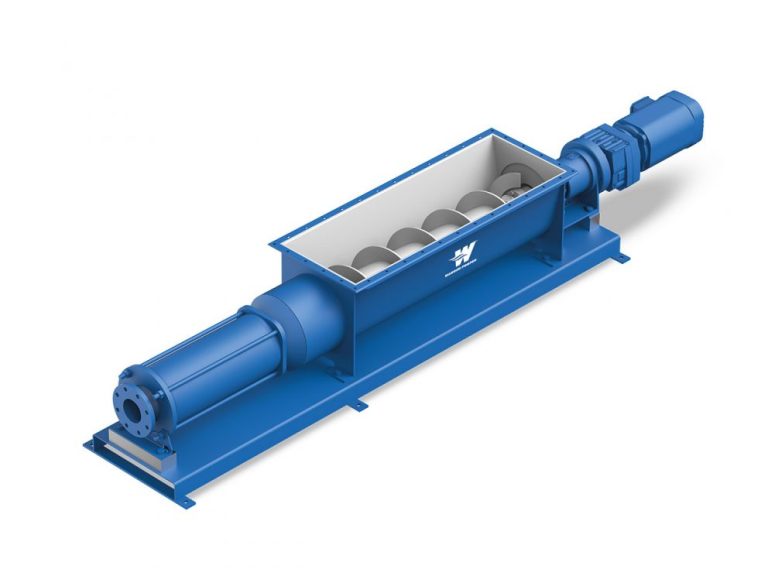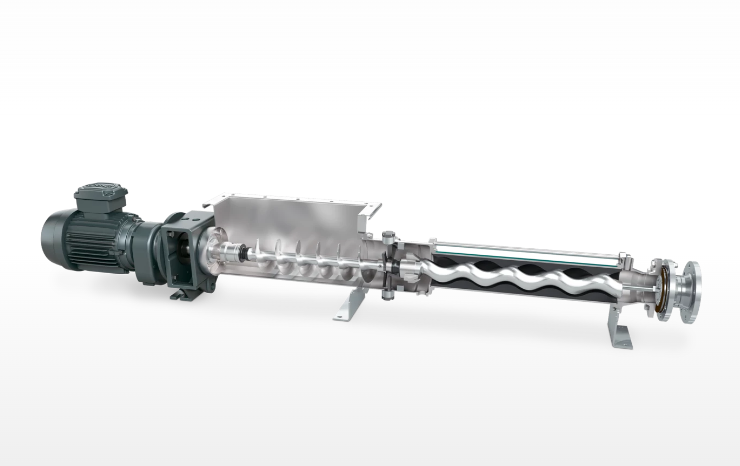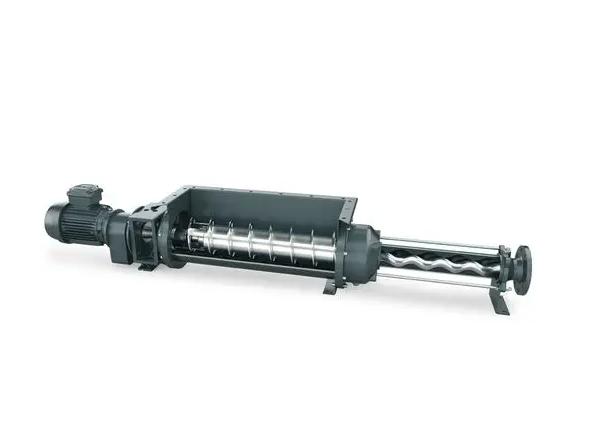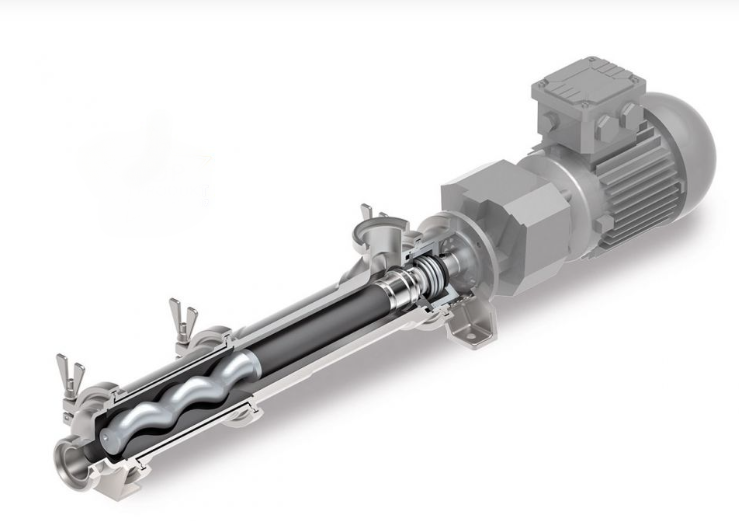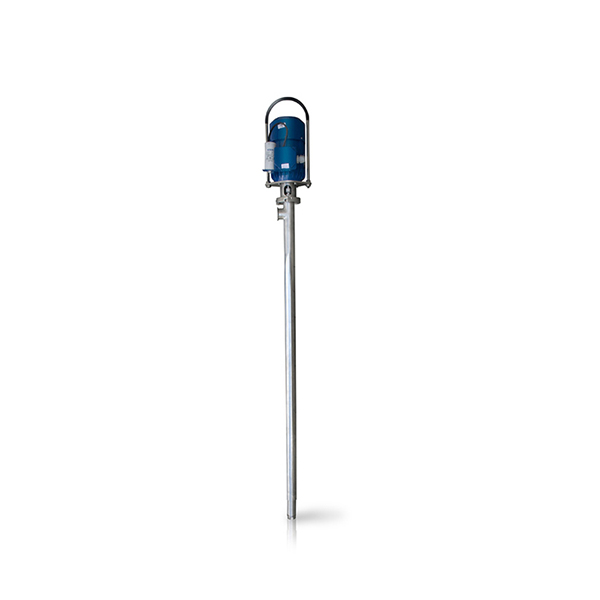
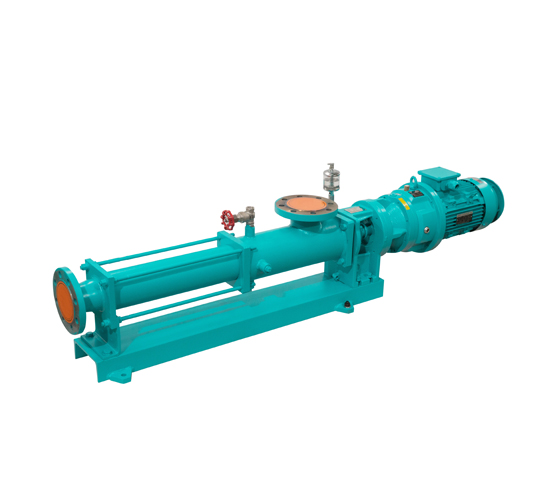
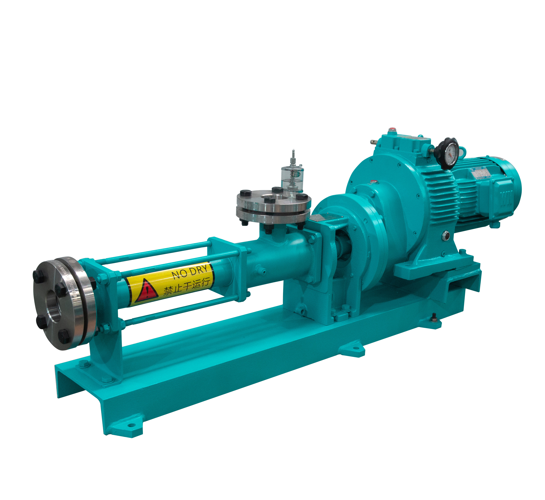
Single Screw pump

What is single screw pump?

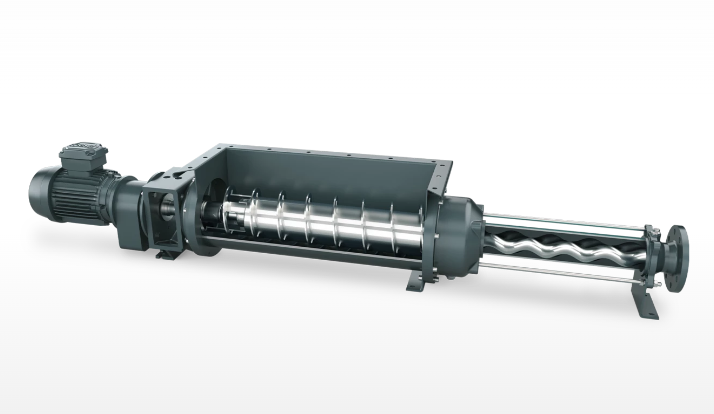
Single screw pump is a type of rotary positive displacement pump that operate according to the positive displacement principle. Single screw pump working principle is based on the interaction between a single-helix metal rotor and a double-helix elastic stator, which creates sealed cavities that move fluid from the suction side to the discharge side.

PMV Single Screw Pump Description


Single Screw Pump is a type of positive displacement pump that operates based on the principle of positive displacement. It is characterized by a single-helix metal rotor and a double-helix elastic stator which create sealed cavities. These sealed cavities move the liquid from the suction to the discharge side of the pump. Single screw pumps have a compact structure, small volume, and are easy to maintain. They are widely used in various industries such as food, beverage, chemical, petrochemical, and environmental engineering.

The Features of Single Screw Pump

According to API676 standard API 676 Standard
Faultless multi-phase delivery of liquid, gas and solid;
Self suction: Suction is up to 8 meters;
Volume of moving fluid is constant, no torrent, stir and pulse;
High wear resistance when deliver the high solid content through the elastic stator chamber.
It can deliver the fluid with high viscosity and high solid content: the max viscosity is up to 100000CP, the solid content is up to 60%;
The flow is directly proportional to the speed of rotation, the flow can be automatically adjusted by speed regulator;
Constant pressure control and dry running protection.
Valveless system – pump has non-return valve function;
Reversible;
Versatile use in all industries

Single Rotary Screw Pump Applications in Various Industries

Rotary screw pumps are widely apply to the following fields: foodstuff, beverage, wine-making, paper and pulp, power plants, chemical, petrochemical industries, mining, building industries and environmental engineering. In petrochemical industries, they are usually applied to deliver crude oil, thick oil, all kinds of catalyst, polymer (polymer injection in oilfield), oil sludge, oily sewage water and public works.
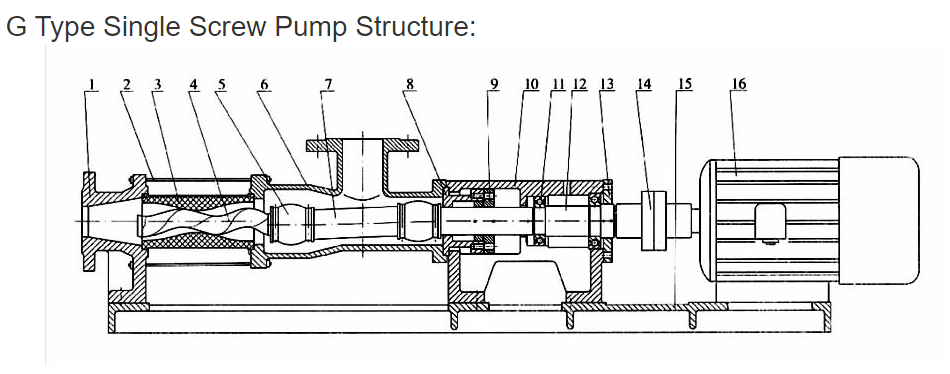
screw type pump diagram
rotary pump diagram

People Also Ask

They are suited for a variety of applications such as fuel-injection, oil burners, boosting, hydraulics, fuel, lubrication, circulating, feed, and to pump high-pressure viscous fluids in offshore and marine installations.

A twin screw pump is a positive displacement pump what means that the pump is transferring a certain volume of product in accordance to the speed and pitch of the screws. While turning, the two screws are forming closed chambers that are moving in an axial direction.

A screw pump is a rotary pump which is a form of a positive displacement pump and it delivers a known quantity of fluid for every revolution.

Screw pumps operate using two counter-rotating screw rotors which are engineered so that they rotate “towards each other”. This traps the gas in the space between the “screws” of their rotors. As the screws rotate, this trapped volume decreases which not only compresses the gas but moves it towards the exhaust.

Screw pumps operate using two counter-rotating screw rotors which are engineered so that they rotate “towards each other”. This traps the gas in the space between the “screws” of their rotors. As the screws rotate, this trapped volume decreases which not only compresses the gas but moves it towards the exhaust.

The choice between a single screw pump or a twin screw pump depends on the specific application and requirements.

A single screw pump is typically used for low viscosity fluids with low solids content. It is suitable for applications where gentle pumping action is required, such as transferring fluids with shear-sensitive or abrasive properties.

On the other hand, a twin screw pump is more versatile and can handle a wider range of fluids, including high viscosity fluids and those with higher solids content. It provides higher flow rates and is more efficient for pumping thicker fluids.

Therefore, the option to be selected between a single screw pump and a twin screw pump should be based on the characteristics of the fluid being pumped, the desired flow rate, and the specific requirements of the application.

Fill up and submit the below inquiry form, or directly write us an email: info@pumpvv.com
Similar Posts

  • G series single screw pumps

    G series single screw pumps Q=0.8-60 m³/h ( 3.52 USGPM – 264 USGPM ) P=0~1.2 Mpa (0~174 psi) CONTACT Single screw pumps are commonly called progressive cavity pumps. They work according to the positive displacement principle. The interference fit of the single-helix metal rotor and the double-helix elastic stator forms sealed cavitites. When the rotor…

  • Netzsch Hygienic Pump

    Netzsch Hygienic Pump: A Reliable Solution for Various Industries The Netzsch hygienic pump is a positive displacement pump that is designed to meet the strictest hygienic requirements. It is made from high-quality materials such as stainless steel and features a smooth and easy-to-clean surface finish. This makes it ideal for use in various industries where…

  • Progressive Cavity Pump in Bearing Block Design Construction

    Progressive Cavity Pump in Bearing Block Design Construction Q=0.5-150 m³/h (2.2 USGPM – 660 USGPM) P=0~4.8 Mpa (0~700 psi) What is a progressive cavity pump in bearing block design construction ? The progressive cavity pump in bearing block design has one more bearing seat than the direct-connected progressive cavity pump, and the bearing seat is connected with…

  • Moyno 2000WB – CLOSE COUPLED DESIGN Food Pump

    2000WB – CLOSE COUPLED DESIGN The 2000WB close coupled pump is specifically designed for lower pressure, lower flow applications that do not require the full features and benefits of the 2000G1 pump. The 2000WB model features a traditional close coupled design where the loads are supported by the gear reducer bearings. This design reduces the…