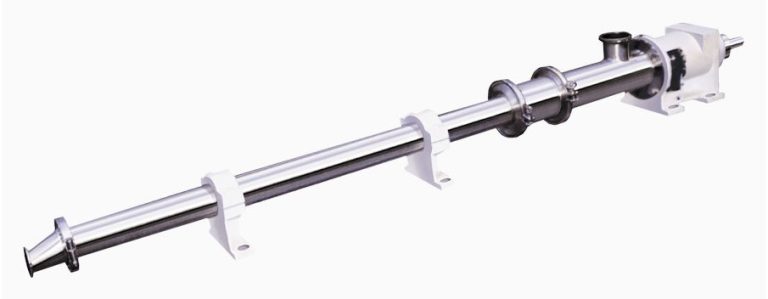
Product Details
| Supply capacity: | 3000 pieces per month | Packaging Details: | Single product carton packaging Multiple product wooden box packaging, no more than 30 kg per box |
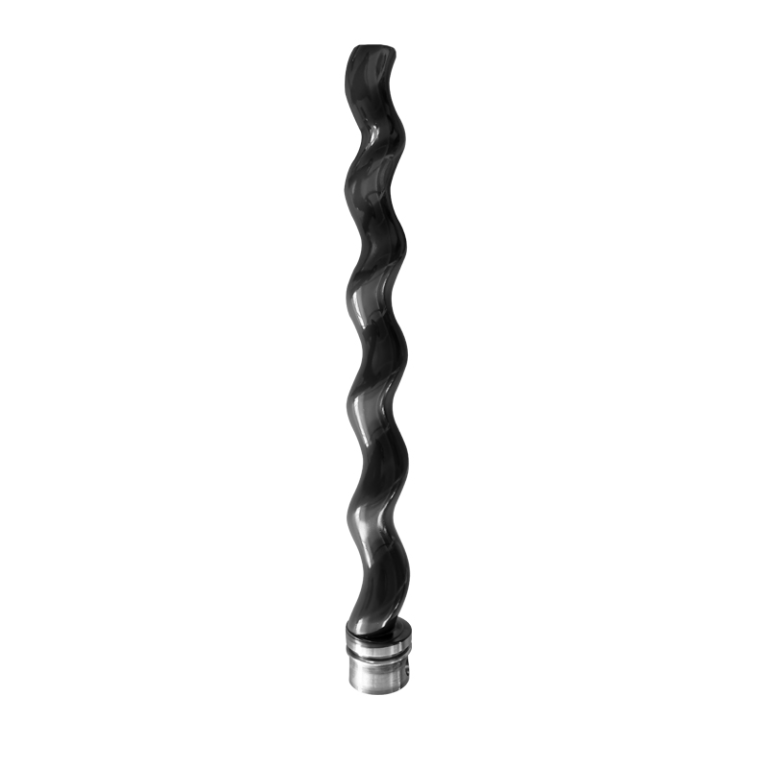
| model: | NM090 | Pump Parts: | pump shaft |
| Customization support: | OEM production | place of origin: | Guangdong, China |
| Brand: | Netzsch | payment terms: | Western Union, T/T |
Introduction to screw pump rotor
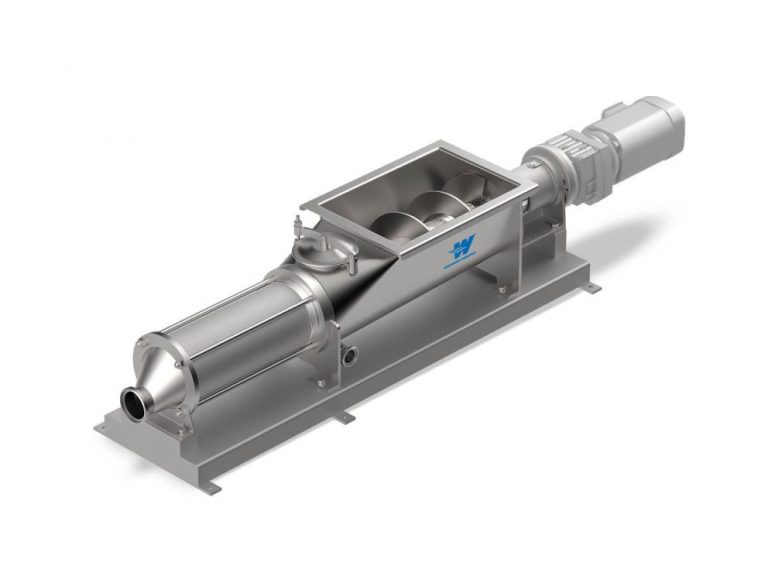
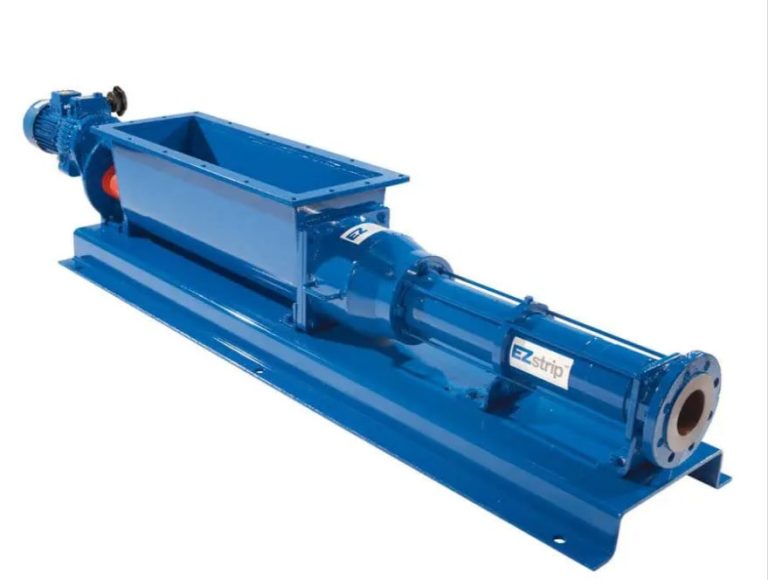
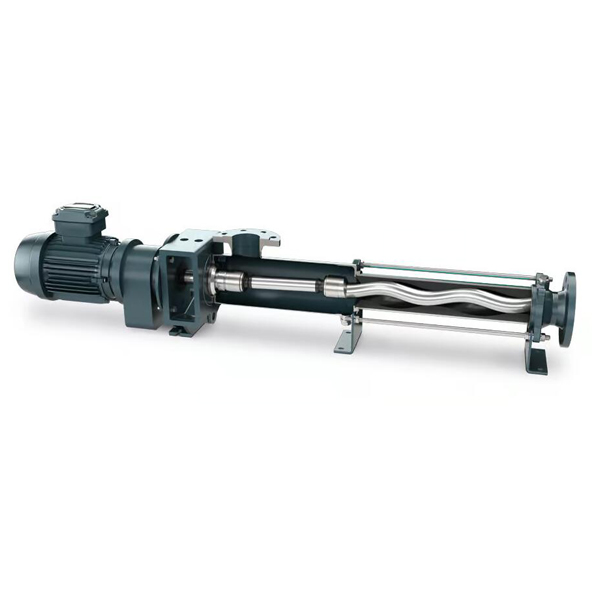
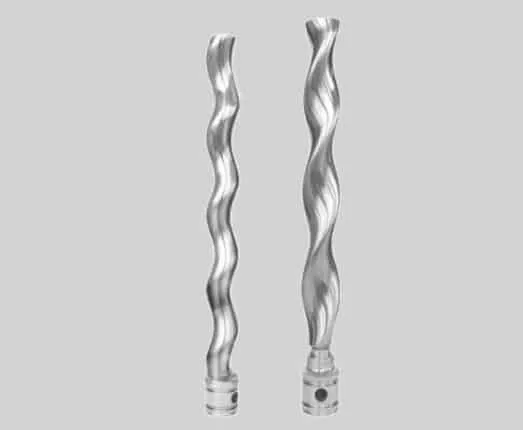
- The central part of the screw pump consists of a rotor and stator. The screw rotor is usually made of metal material, and a unique twist angle is made by a special cutting machine. The special structure composed of steel rotor and elastic stator enables it to convey materials containing solid particles.
- The rotor is placed in the stator, sealed together in a helical configuration. When the rotor rotates, the inside of the stator runs continuously, and the liquid in the closed space runs continuously, and is delivered from the suction side of the “pulseless” “quantitative” transmission. The external thread and the rotor thread are specially processed;
Rotor material
Carbon steel, stainless steel, SS304, SS316L, 904L, etc.
Our company commonly used rotor material: 40Cr, Cr12mov, SS304, SS316L, 2205, 904L
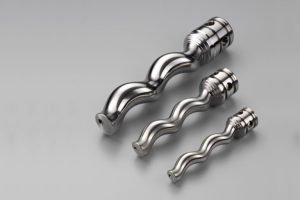
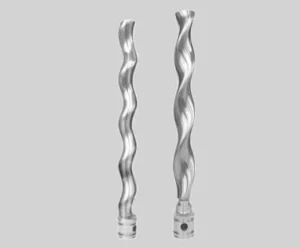
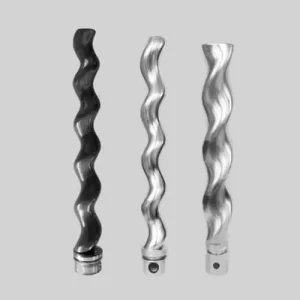
Progressive cavity pumps with different rotor/stator geometries, methods of operation and delivery principles
Geometry belongs to the single-start screw / rotor. The cross-section is circular, the pitch is large, and the depth of the thread is large, and the depth is constantly changing as the rotor rotates in the stator. The section of the stator is the same as that of the rotor, but the stator is a double-start internal thread separated by 180°. When the stator meshes with the rotor, a 1/2 stator cavity is formed. As the rotor rotates, the continuous forward cavity between the rotor and the stator moves the media of the transfer pack smoothly and continuously from the suction end of the stator to the discharge end.
The flow rate is determined by the pitch, diameter and eccentricity of the rotor/stator and the speed of the pump.
Outlet pressure depends on series and maximum 6bar 85psi differential pressure per stage,
2-stage progressive cavity pump with S-shape geometry achieves 12bar 170psi differential pressure and 100% flow.
The shape of the single-stage screw pump with L-shaped geometry is the same as that of the S-type two-stage pump, and the diameter and eccentricity are the same. The rotor/stator pitch of the L-shaped geometry is twice that of the S-shaped geometry. Therefore, the pump has twice the flow compared to the S-shaped geometry with a maximum differential pressure of 6bar 85psi.
Double thread geometry stator
The double threaded rotor has an elliptical cross-section with a large pitch and a large thread depth. The rotor rotates eccentrically in a fixed stator. The stator also has the same geometric shape as the rotor, but the stator has a three-threaded thread separated by 120°.
When the stator and the rotor are engaged, a 2/3 geometric cavity is formed between them. When the rotor rotates, the continuous forward cavity between the rotor and the stator is smoothly and continuously transported from the suction end of the stator to the end of the exhaust port.
The flow rate is determined by the pitch, diameter and eccentricity of the rotor/stator and the speed of the pump. Outlet pressure depends on the series, the maximum pressure difference per stage is 6bar 85psi.
The cavity size of the double-start thread geometry is about 75% of that of the S/L type, but the cavity is opened twice every turn, while the cavity of the 1/2-grade geometry is only opened once every turn.
So the double thread geometry of the rotor/stator increases the flow per revolution by 50% compared to the S/L type,
2-Stage Progressive Cavity Pump with twin thread geometry, 150% more flow rate than S-geometry single-stage pump, maximum differential pressure 12bar 170psi.
The geometric shape and size of the first-stage double-start thread are the same as that of the screw pump and the second-stage screw pump, and the ellipse and eccentricity are also the same. But the pitch is twice that of the double-ended 2-stage shape rotor/stator. Therefore, at a maximum differential pressure of 6bar 85psi, the pump produces a flow ratio of 300% that of the S-shaped geometry.
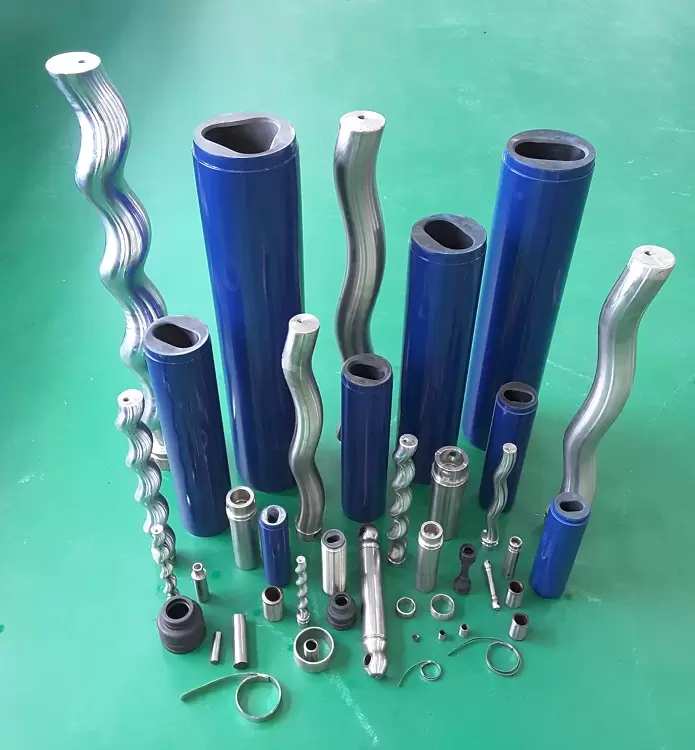
Standard Factory Availability
- ST D’s factory has a variety of accessories, we offer quick turnaround to help reduce equipment downtime, you don’t need to have a lot of inventory.
- For spare parts, fast shipment is possible, ensuring that production is uninterrupted or reduced to a minimum of downtime. With good service and very competitive price, customers can earn time profit from cooperating with us.
People Also Ask
Fill up and submit the below inquiry form, or directly write us an email: info@pumpvv.com