nemo pumps

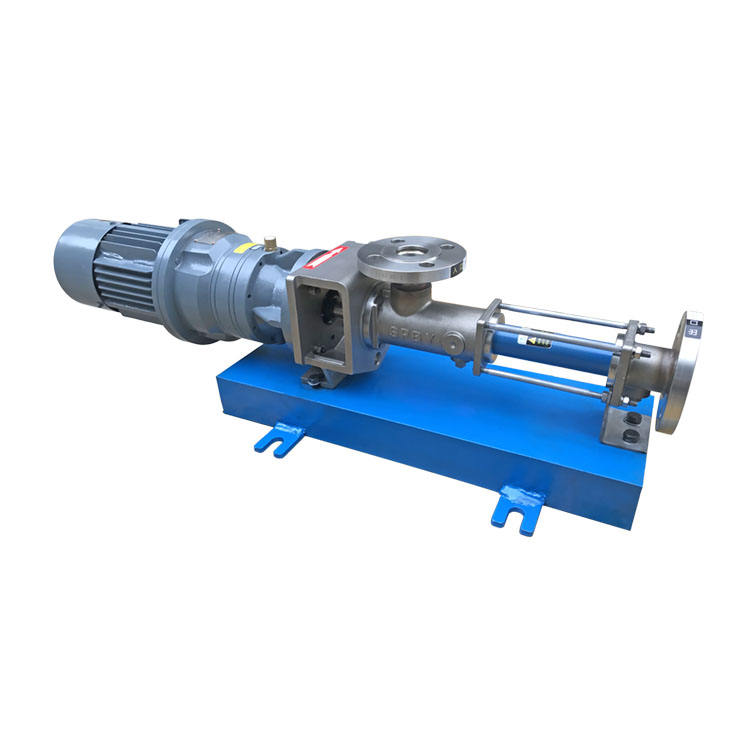
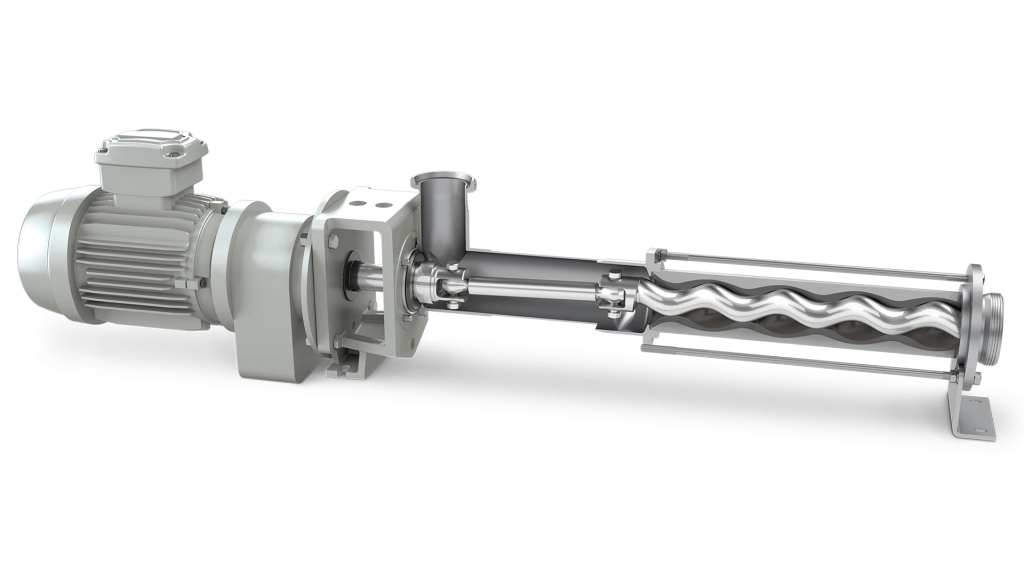
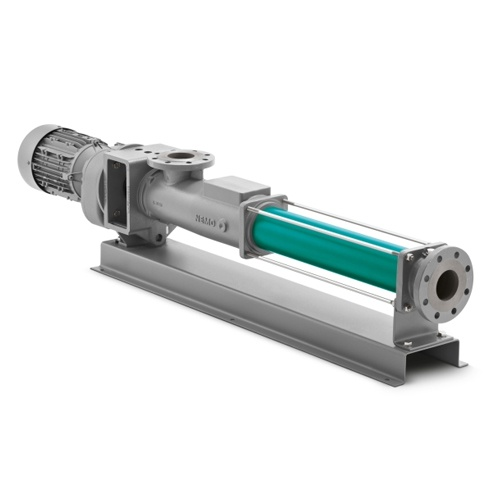
NEMO Pumps are a type of progressing cavity pump known for their versatility and efficiency in handling a wide range of fluids. Here’s a detailed overview of NEMO pumps:

1. Key Features of NEMO Pumps

    • Progressing Cavity Technology:
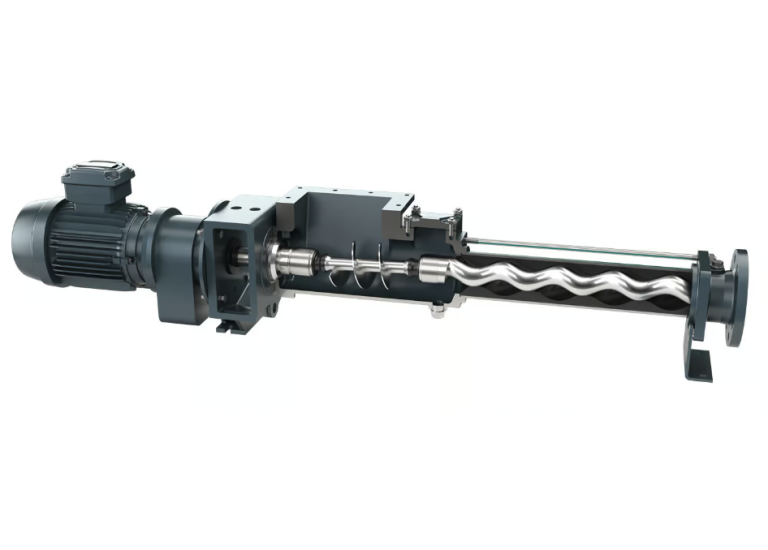
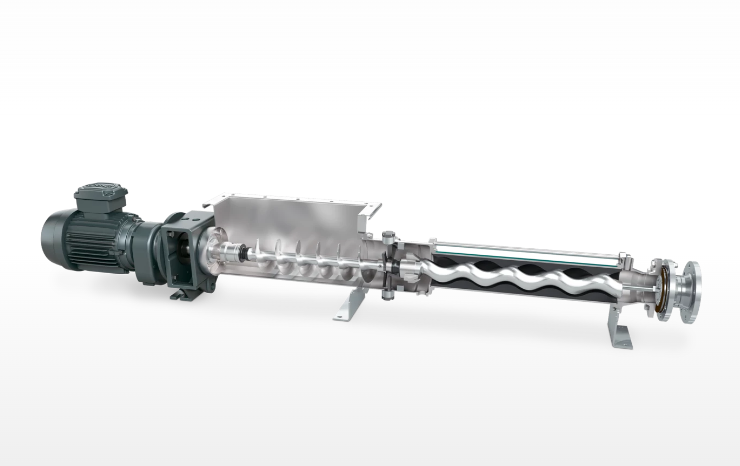
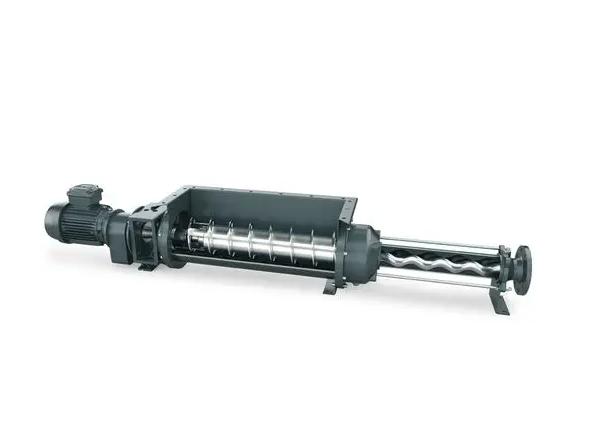
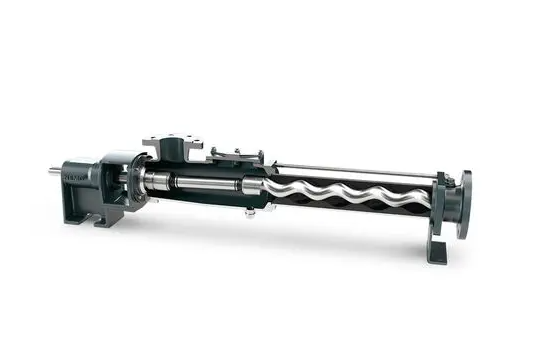
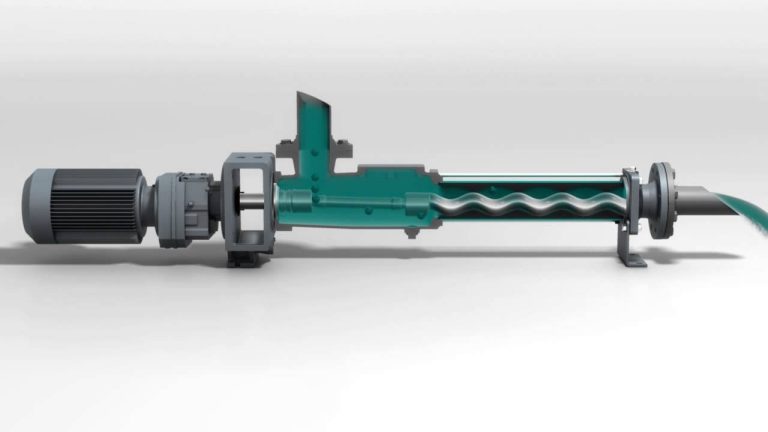
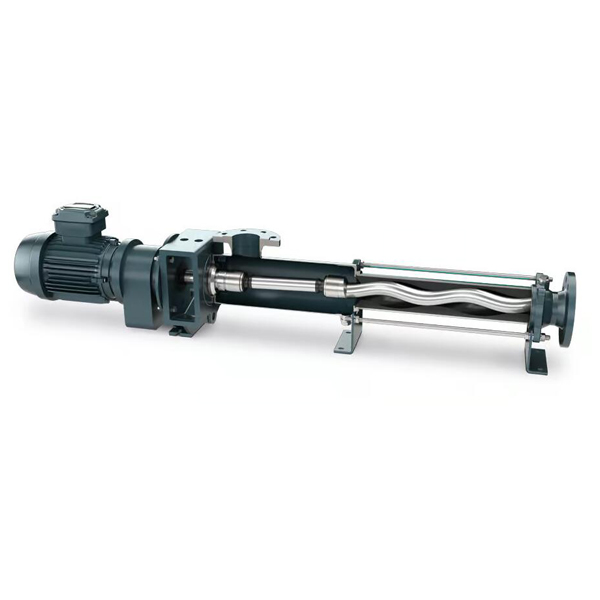
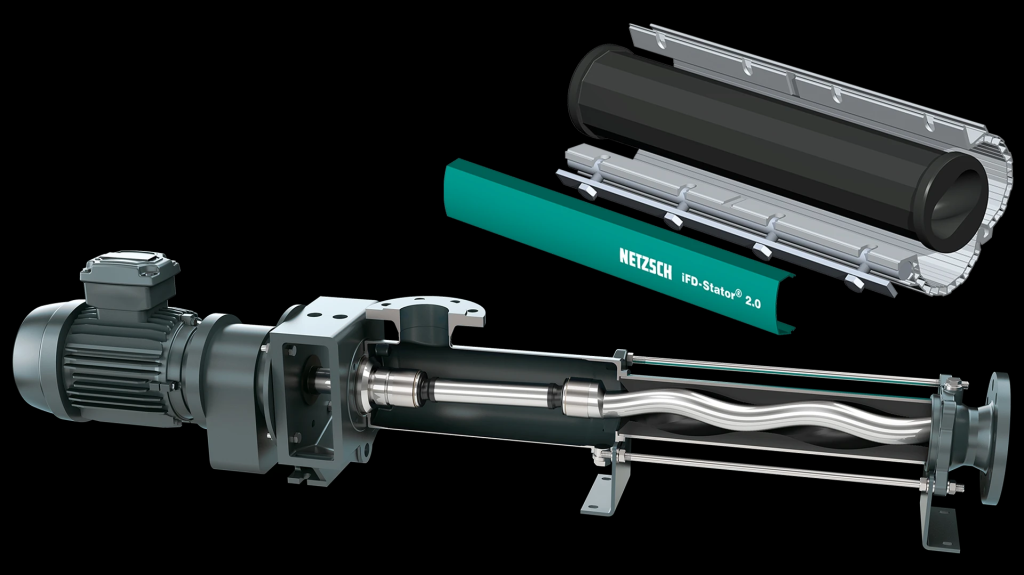
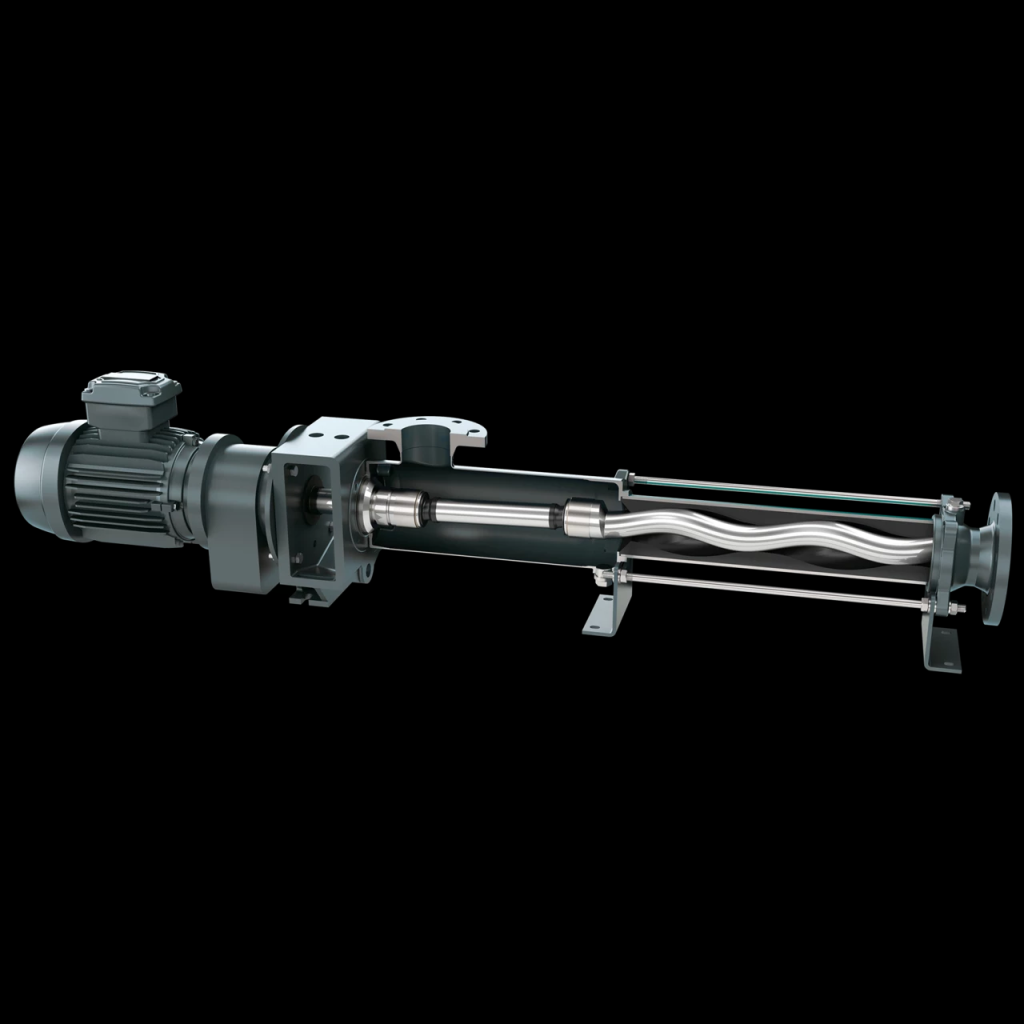
      NEMO pumps utilize a helical rotor that rotates within a stator, creating cavities that transport fluid smoothly and continuously.

    • Low Pulsation:
      They provide low-pulsation pumping, which is ideal for sensitive applications where maintaining product integrity is crucial.

    • Versatile Applications:
      Suitable for various industries, including food and beverage, wastewater treatment, and chemical processing.

nemo pumps

2. Types of NEMO Pumps

    • NEMO® Progressing Cavity Pumps:
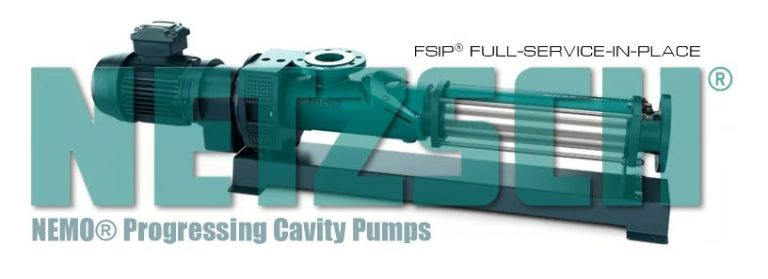
      These are designed for continuous, pressure-stable pumping of a wide variety of media, from low flow dosing to high-volume transfer.

    • NEMO® BY Pumps:
      These feature a design that allows for easy maintenance and adjustment, making them user-friendly.

    • NEMO® Submersible Pumps:
      Such as the V3 Nemo Submersible, which is designed for well pumping applications and is powered by DC, making it energy-efficient.

nemo pumps

3. Applications of NEMO Pumps

    • Food Processing:
      Ideal for transferring viscous products like sauces and creams without damaging them.

    • Chemical Industry:
      Used for handling various chemicals, including those that are abrasive or corrosive.

    • Wastewater Treatment:
      Effective in pumping sludge and other viscous materials in treatment plants.

nemo pumps

4. Advantages of NEMO Pumps

    • Gentle Handling:
      The design minimizes shear forces, making them suitable for sensitive products.

    • High Efficiency:
      They maintain a consistent flow rate, which enhances productivity and reduces downtime.

    • Easy Maintenance:
      Many models are designed for quick disassembly, facilitating easier cleaning and maintenance.

nemo pumps

5. Considerations When Choosing NEMO Pumps

    • Fluid Characteristics:
      Assess the viscosity, temperature, and chemical compatibility of the fluids being pumped.

    • Flow Rate Requirements:
      Determine the necessary flow rate to select the appropriate pump size.

    • Installation Environment:
      Consider whether a submersible or surface-mounted pump is more suitable for your application.