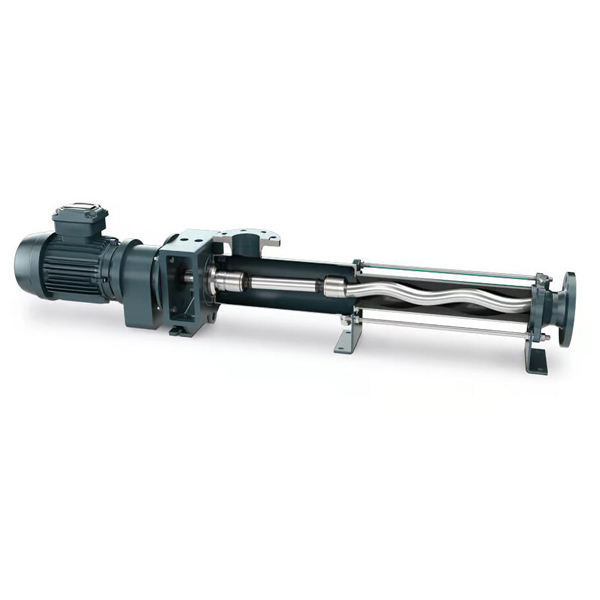
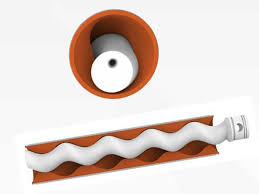
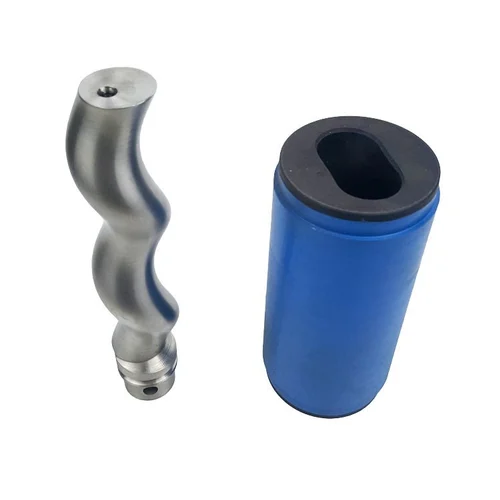
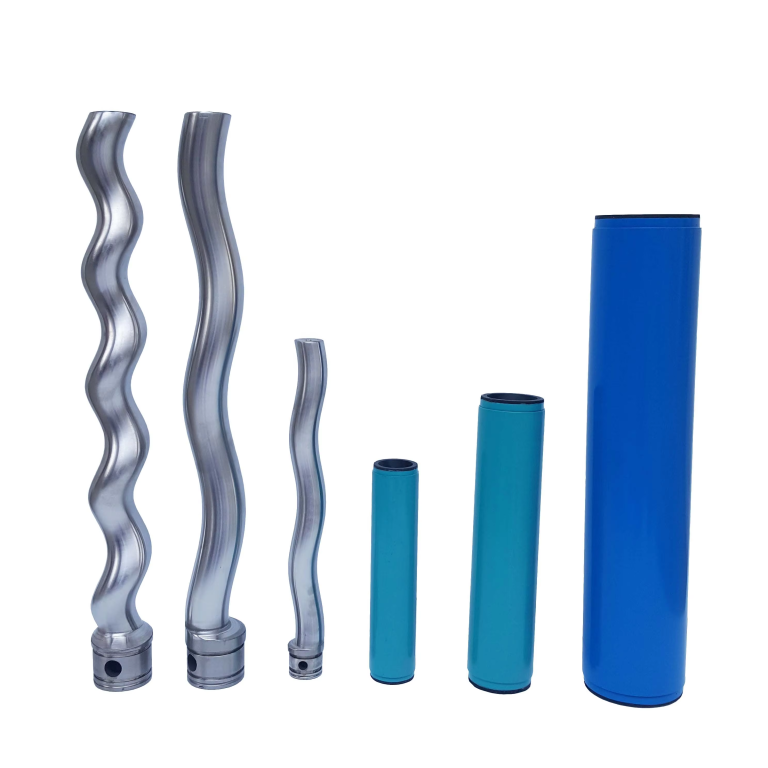
pump rotor and stator

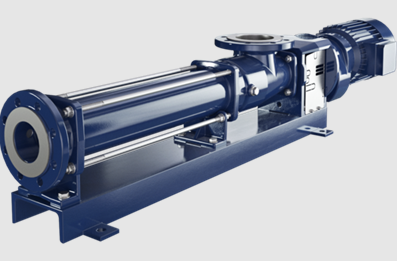
In various types of pumps, particularly in progressive cavity pumps and some positive displacement pumps, the rotor and stator play crucial roles in the pumping mechanism. Here’s a detailed overview of these components:

1. Definitions

A. Rotor

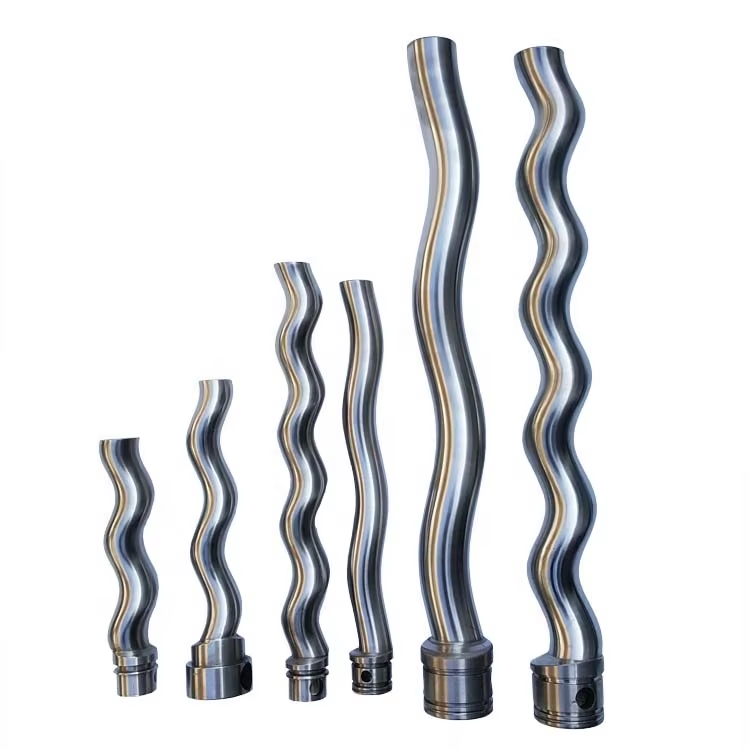
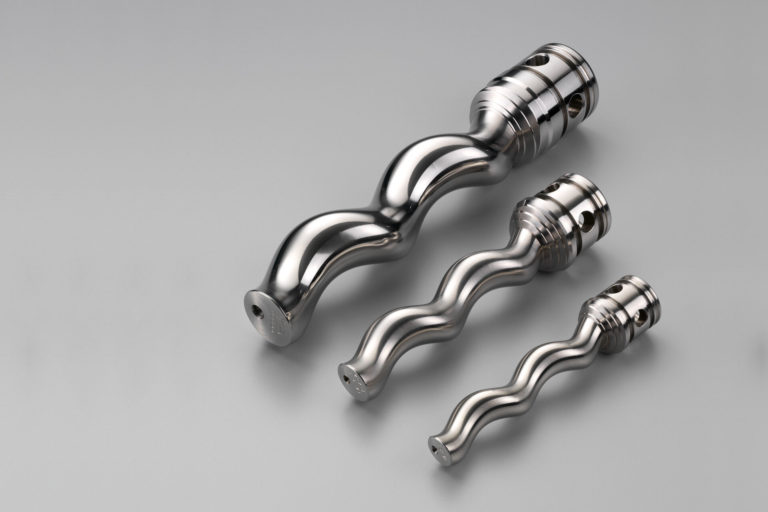
    • Definition: The rotor is the rotating component of the pump that moves the fluid within the pump casing.

    • Function: It creates a vacuum or pressure to draw in and push out the fluid.

B. Stator

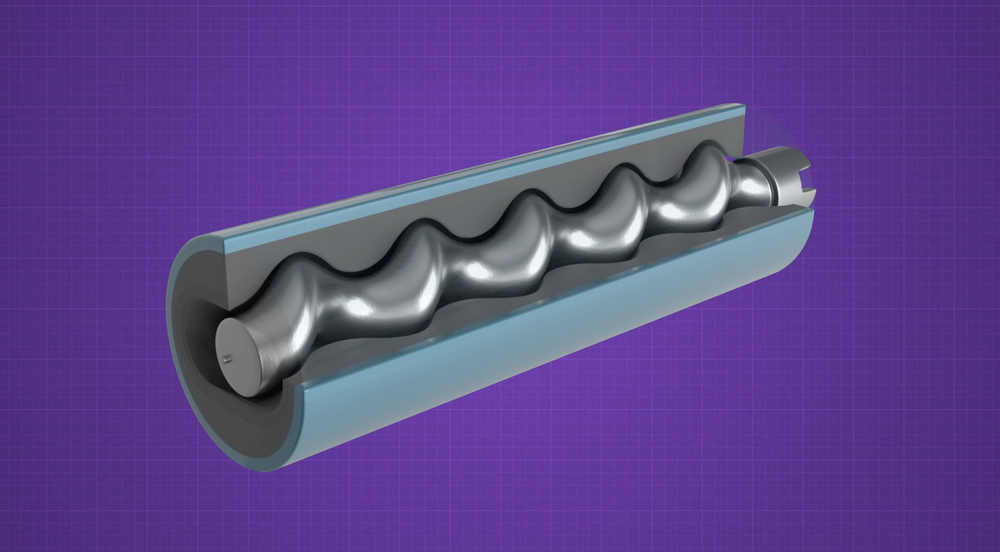
    • Definition: The stator is the stationary component that surrounds the rotor and provides the necessary structure for fluid flow.

    • Function: It contains the rotor and helps in shaping the flow path of the fluid.

pump rotor and stator

2. Working Mechanism

A. Rotor Movement

    • The rotor rotates inside the stator, creating a series of cavities that trap and transport the fluid.

    • As the rotor turns, it moves the fluid along the screw’s helix towards the outlet.

B. Fluid Displacement

    • The interaction between the rotor and stator generates a positive displacement, allowing for efficient transport of the fluid.

    • The fluid is confined within the cavities created between the rotor and stator, ensuring a continuous flow.

pump rotor and stator

3. Design Considerations

A. Materials

    • Rotor Material:

    • Typically made from durable materials such as stainless steel or specialized alloys to withstand wear and corrosion.

    • Stator Material:

    • Often constructed from elastomers or rubber compounds to provide flexibility and maintain a seal with the rotor.

B. Geometric Design

    • The design and geometry of both rotor and stator are critical for the pump’s efficiency, flow rate, and pressure generation.

    • The fit between the rotor and stator must be precise to minimize leakage and maximize efficiency.

4. Applications

A. Progressive Cavity Pumps

    • Used in various industries for pumping viscous fluids, slurries, and shear-sensitive materials.

B. Other Pumps

    • Found in certain types of rotary lobe pumps, gear pumps, and some types of centrifugal pumps where similar principles apply.

pump rotor and stator

5. Advantages of Rotor and Stator Design

    • Efficient Fluid Transport:

    • The design allows for the effective movement of fluids, especially those with high viscosity.

    • Reduced Pulsation:

    • Produces a more consistent flow with minimal pulsation, which is essential for sensitive applications.

    • Versatility:

    • Capable of handling a wide range of fluid types, including abrasive and corrosive materials.

  • BN100-6L rotor seepex

    Structural features of Seepex BN100-6L Rotor The Seepex BN100-6L rotor is made of high-strength materials to ensure stable operation under high pressure and high temperature. Its specially designed spiral shape allows the fluid to form a low-shear flow during the conveying process, avoiding damage to the fluid properties, and is particularly suitable for conveying fragile…
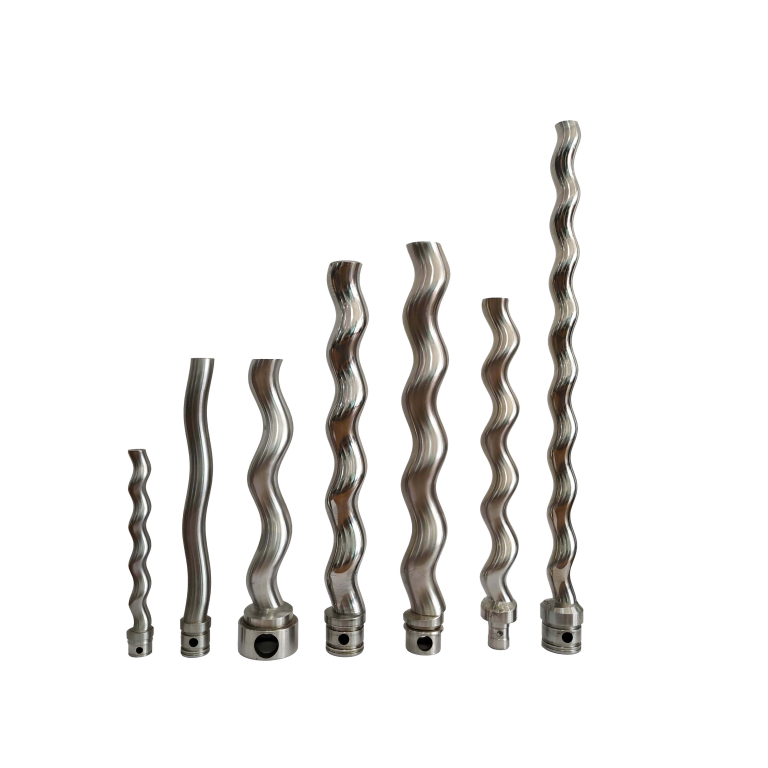
  • BN30-12T rotor seepex

    Design Features of the Rotor The design concept of the seepex BN30-12T rotor is centered around efficiency and durability. Its spiral shape not only effectively propels fluids, but also performs well when subjected to high pressure and high viscosity fluids. In addition, the rotor is made of high-quality materials to ensure that it can still…

  • BN2-6L stator seepex

    Design Advantages The Seepex BN2-6L stator uses advanced screw pump technology and is designed to meet various complex fluid delivery needs. The main advantages of this stator are its durability and adaptability. First, the Seepex BN2-6L stator is made of highly wear-resistant and corrosion-resistant synthetic materials that can withstand harsh working environments. This not only…

  • BN15-6LT rotor seepex

    Advantages First, the design of the seepex BN15-6LT rotor takes full account of wear resistance and corrosion resistance. Made of high-strength materials, the rotor can resist erosion and wear from various industrial media and ensure stable operation under high temperature and high pressure. This makes it very suitable for use in industries such as chemical,…

  • MD0005-24 Rotor seepex

    Introduction In the realm of progressive cavity pumps, the Seepex MD0005-24 Rotor stands out as a critical component designed to enhance the efficiency and performance of pumping systems. This rotor plays a vital role in the operation of progressive cavity pumps, which are widely used in various industries such as food and beverage, wastewater treatment, and chemical processing. In this…

  • SEEPEX BN Progressive Cavity Pump With Block Design

    The Versatility of SEEPEX Progressive Cavity Pumps with N Module The BN module forms the robust basis for all SEEPEX progressive cavity pumps. It can pump low-viscosity to viscous media, with and without solids, and can be used in virtually all industries from the environmental industry to the chemical industry and food production. The seepex…

  • Netzsch NM038BY01L06B Netzsch Instruments

    Netzsch NM038BY01L06B Netzsch Instruments NETZSCH NM038BY01L06B Netzsch NM038BY01L06B by block pump in industrial design can be used in environmental technology, the food and chemical industries, but also in the oil & gas upstream as well as the mid- /downstream sector for a wide variety of pressure-stable conveying or dosing tasks. From low-viscosity media to hardly…

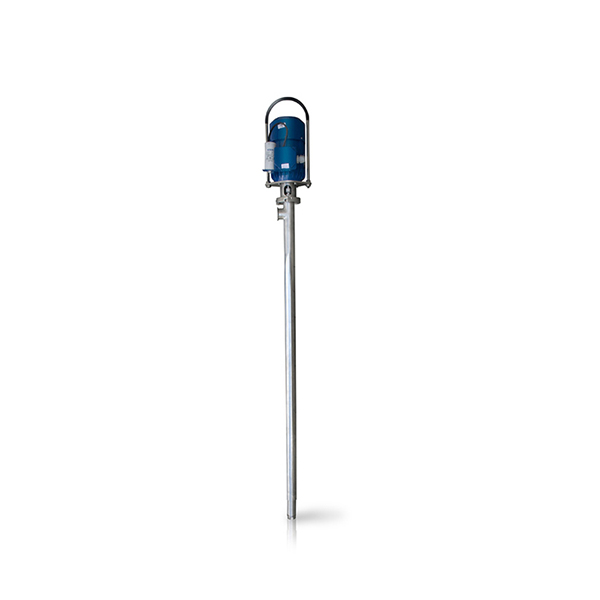
  • Vertical Screw Pump

    Vertical Screw Pump Vertical screw pump for creams gels and other dense liquids is used for chemicals, cosmetics, pharmaceuticals and food industries. It can be used for pumping of dense and thin fluids of various viscosities, both neutral and aggressive, such as: creams, gels, paints etc. CONTACT What is single vertical screw pump? Vertical screw…